 WhatsApp
 sales@youcantrailer.com
 +8615203709888
How Are Finished Semi Trailers Inspected Before Delivery?
How Are Finished Semi Trailers Inspected Before Delivery?
Quick Answer
Finished semi trailers should be inspected before delivery against the approved configuration, drawings, dimensions, structural condition, running gear, brakes, electrical system, paint, accessories, identification, documents, and shipment readiness. The inspection should combine visual review, measurement, functional testing, and record checking. A trailer should not be released simply because it looks complete from a distance.
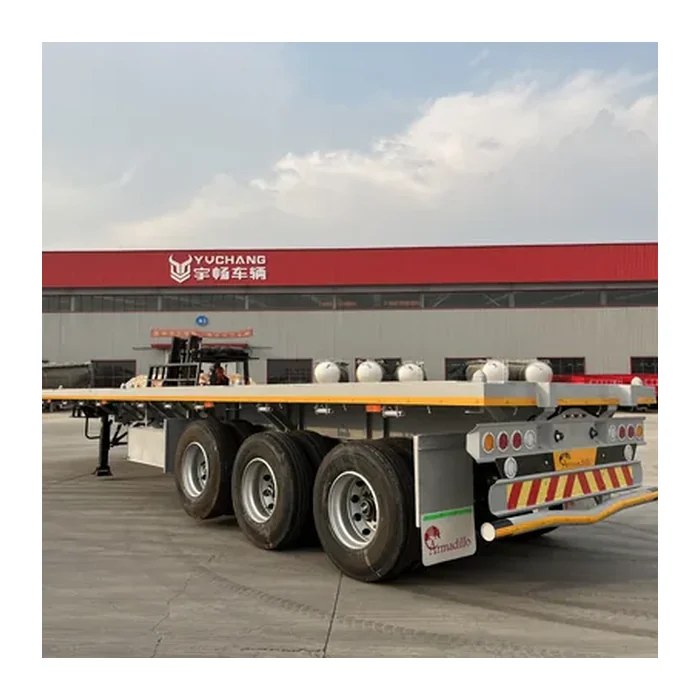
What Final Inspection Is Supposed to Confirm
Final inspection is the last formal check before the trailer leaves the manufacturer's control. It should answer three questions: Was the ordered configuration built? Is the trailer in acceptable physical and functional condition? Is the handover file complete for transport, customs, registration, and service?
| Inspection group | Typical checks | Release evidence |
|---|---|---|
| Identity and configuration | Model, serial number, drawing revision, options | Configuration checklist and photos |
| Structure | Frame, welds, alignment, deck or body, supports | Visual and dimensional records |
| Running gear | Axles, suspension, wheels, tires, kingpin, landing gear | Component confirmation and function check |
| Brakes and air | Lines, valves, chambers, connections, response | Functional test or agreed inspection evidence |
| Electrical | Lights, wiring, routing, protection, connectors | Lighting test and routing review |
| Finish | Paint, labels, reflective markings, damage | Appearance check and correction record |
| Documents and shipping | Manuals, invoice, packing list, inspection file, protection | Handover checklist |
A Practical Final Inspection Sequence
1. Check Identity Before Detail
Start with the unit identity, serial or chassis number, product type, and approved configuration revision. This prevents a buyer from inspecting the wrong trailer or comparing it with an outdated quotation.
2. Review the Structure and Geometry
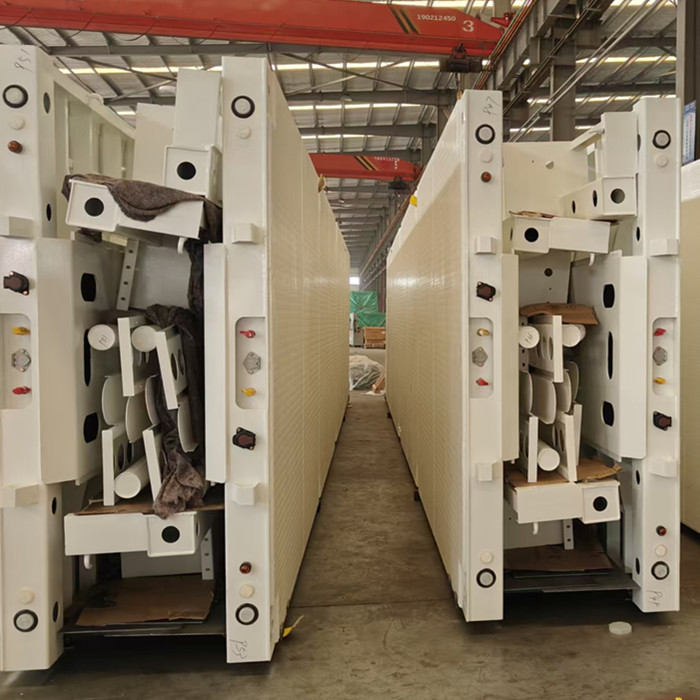
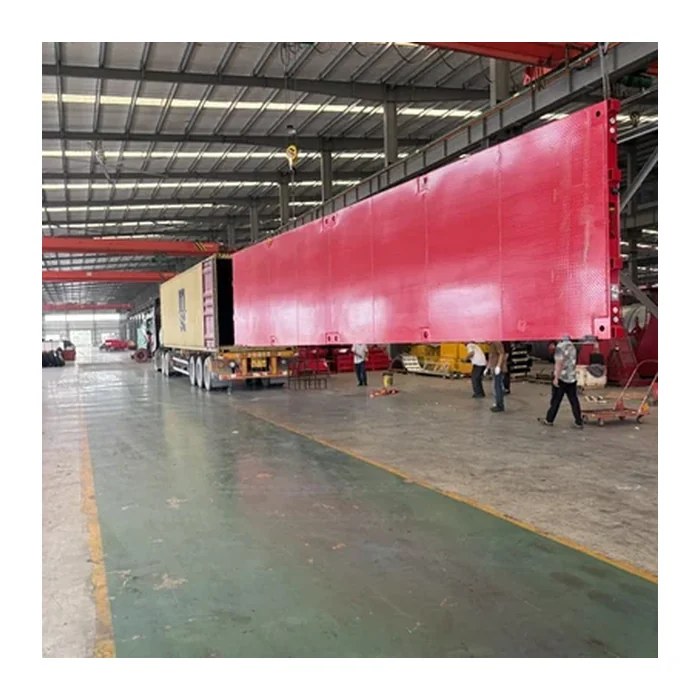
Walk around the frame and body. Look for visible cracks, incomplete attachments, distortion, sharp edges, loose parts, interference, damaged supports, and areas that are difficult to access. Check important dimensions against the agreed drawing using a defined datum.
3. Confirm Running Gear and Systems
Verify axles, suspension, brakes, wheels, tires, kingpin, landing gear, spare wheel carrier, tool boxes, locks, ramps, and other options. Operate systems where practical. Presence is not the same as function.
4. Inspect Finish and Identification
Check paint coverage at welds, edges, undersides, and brackets. Confirm labels, reflective markings, logos, serial plates, and warning information required by the order or destination.
5. Close Corrections Before Release
A good inspection list records the finding, responsibility, correction, and re-check status. Do not treat a verbal promise to fix an item after shipment as the same as a verified correction before release.
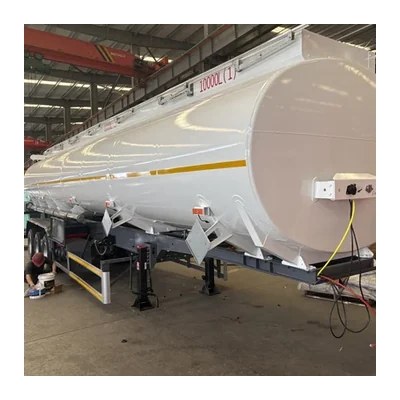
What a Buyer Should Photograph
Overall views from both sides and the front and rear.
Serial plate, chassis identity, and key configuration details.
Main structural joints, supports, suspension brackets, and accessories.
Brake, air, electrical, and lighting arrangements.
Any defect, correction, or item left open for written agreement.
Engineering Note: The most useful final inspection record is a matched set: one approved configuration, one checklist, one photo set, and one clear release decision.
Use the manufacturer's quality control information to understand the inspection logic, and compare the final unit with the relevant flatbed trailers, lowbed trailers, or bulk cement trailers configuration.
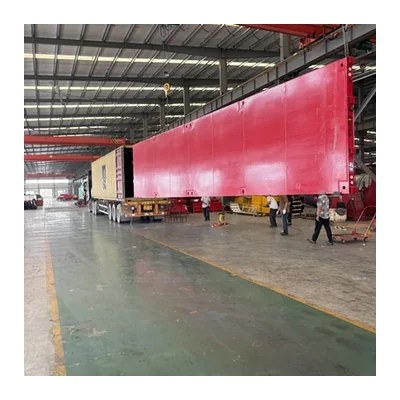
Common Buyer Mistakes
Inspecting appearance but not the approved configuration.
Taking many photos without identifying the unit or inspection date.
Leaving dimensional or functional checks until after loading.
Accepting open corrections without a written release condition.
Forgetting that shipment handling can damage a trailer after final inspection.
Key Takeaways
Final inspection should cover configuration, structure, dimensions, systems, finish, and documents.
Use the approved drawing and configuration as the inspection baseline.
Test important systems instead of checking only that parts are present.
Record corrections and re-check them before release.
Protect the trailer after inspection and preserve the final evidence set.
FAQ
Who can inspect a finished semi trailer?
The buyer, a buyer representative, the manufacturer, or an agreed third-party inspector can perform the inspection, depending on the contract.
Is a visual inspection enough?
It is important but may not be enough for dimensions, hidden weld conditions, system function, or destination-specific requirements.
When should final inspection happen?
Arrange it before shipment and before the trailer is difficult to access or correct.
What if a defect is found before shipment?
Record it, agree on correction or disposition, and confirm the result before release.
Should the inspection report include photos?
Photos are useful when they identify the unit, location, condition, and correction status.
Conclusion
A finished trailer is ready for delivery only when it matches the approved order, performs its essential functions, and has a complete handover record. A disciplined final inspection protects the buyer from avoidable surprises after the trailer has left the factory.
References
ISO 9001 quality management systems
UNECE vehicle construction and approval requirements where applicable
Destination-market inspection and registration requirements as confirmed by the buyer