Vetting a China Trailer Manufacturer for Export Success
Selecting the right partner for your heavy transport needs is a critical business decision that directly impacts operational efficiency, safety, and your return on investment. Partnering with a reputable china trailer manufacturer ensures you receive durable, compliant, and cost-effective equipment tailored to your specific logistics or construction challenges. This guide provides a comprehensive framework for procurement managers and business owners to navigate the sourcing process with confidence.
Buyer's Quick Checklist
- Verify Certifications: Confirm ISO 9001 and any region-specific compliance (e.g., ADR, GCC).
- Review Material Specifications: Insist on high-strength steel (Q345B or higher) and reputable component brands (e.g., BPW, FUWA, JOST).
- Clarify Customization Capabilities: Ensure the manufacturer can adapt dimensions, axles, and features to your local regulations and operational needs.
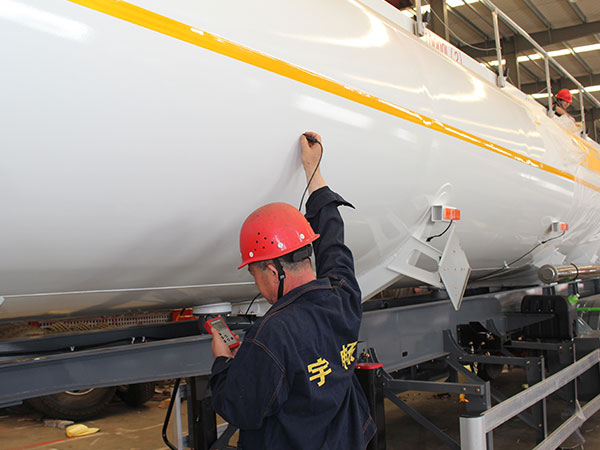
- Assess Quality Control Processes: Ask for details on welding inspection, paint application, and pre-shipment testing.
Key Factors & Technical Parameters to Consider
When evaluating a potential supplier, the technical specifications are paramount. Moving beyond the brochure and into the engineering details will help you differentiate between a low-cost option and a long-term asset. Focus on these critical parameters:
- Load Capacity (Payload): This is the maximum weight the trailer is designed to carry. Be clear about your typical and maximum payload requirements. Overloading a trailer not built for the task leads to premature failure and safety risks.
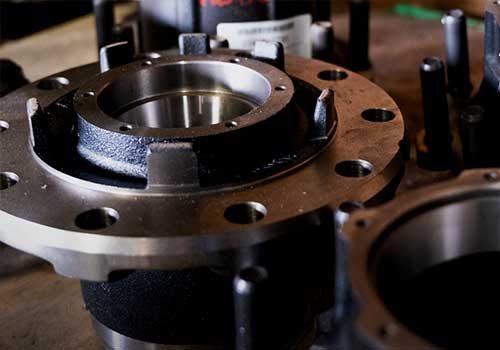
- Axle Configuration and Brand: The number of axles, their spacing, and brand are crucial. Reputable brands like BPW and FUWA offer reliability and easier access to spare parts globally. Specify your preference for mechanical or air suspension, as this affects ride quality, load protection, and maintenance.
- Main Beam Material and Construction: The trailer's backbone is its main I-beam. Insist on high-strength steel like Q345B or T700 for superior strength-to-weight ratio. The welding process (submerged arc welding is preferred for consistency) is just as important as the material itself.
- Braking System: A reliable braking system is non-negotiable for safety. Specify whether you require a standard system, an Anti-lock Braking System (ABS), or an Electronic Braking System (EBS) from brands like WABCO to meet your country's regulations.
- Tire and Rim Specifications: The tires must be rated for your maximum load and typical road conditions. Specify the brand, size, and ply rating you require to ensure durability and local availability for replacements.
- Kingpin Size and Type: Ensure the kingpin is compatible with your prime movers. The most common sizes are 2 inches (50mm) and 3.5 inches (90mm), typically from a recognized brand like JOST.
Types of Trailers: Which One Fits Your Needs?
Different cargo requires different transport solutions. A professional manufacturer will offer a wide range of semi-trailers, each designed for a specific purpose. Understanding the primary categories helps you select the most efficient tool for your business.
| Trailer Type | Key Specs | Price Level | Best Used For |
|---|---|---|---|
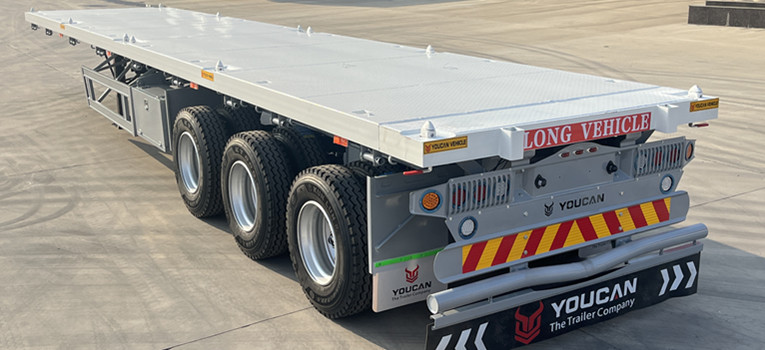
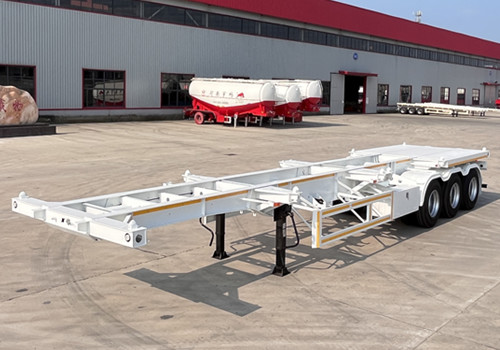
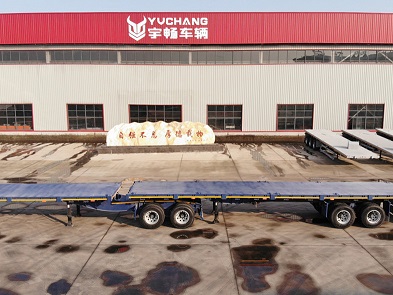
| Flatbed Trailers | 2-4 axles, 40-70 ton capacity, container twist locks | $$ | Standard containers (20ft, 40ft), bagged goods, steel, lumber, general cargo |
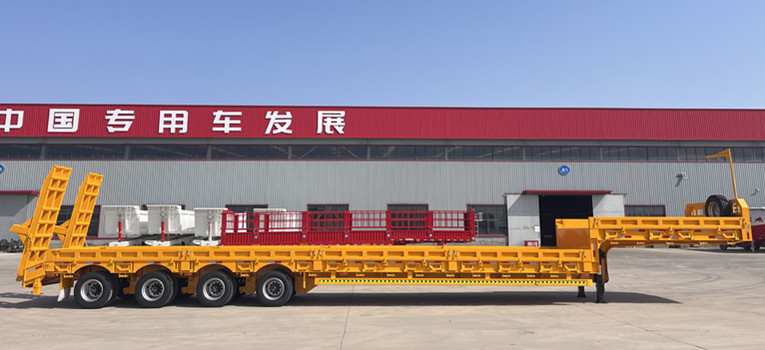
| Lowbed Trailers | 2-5+ axles, 50-150 ton capacity, hydraulic/mechanical ramps | $$$$ | Heavy machinery (excavators, bulldozers), oversized equipment, industrial components |
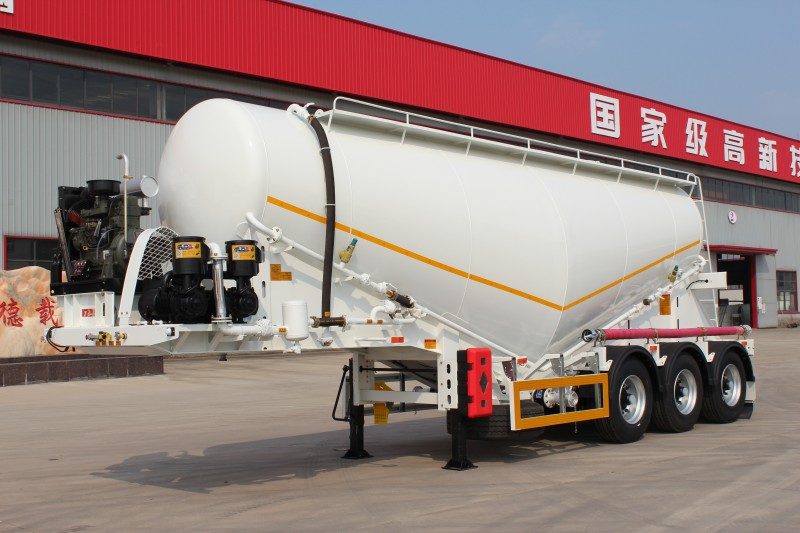
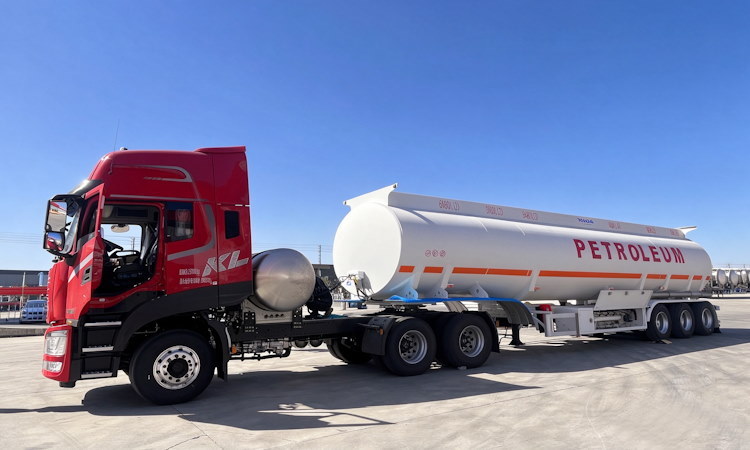
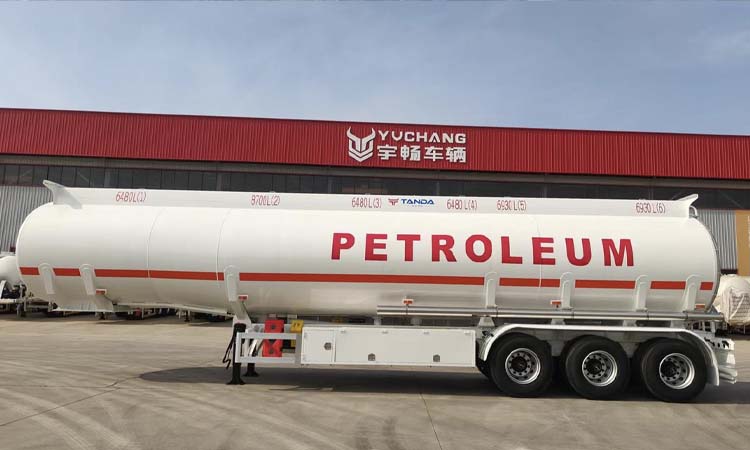
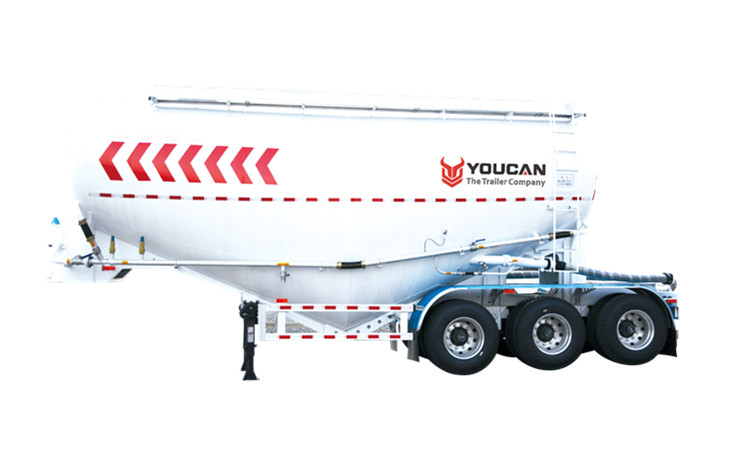
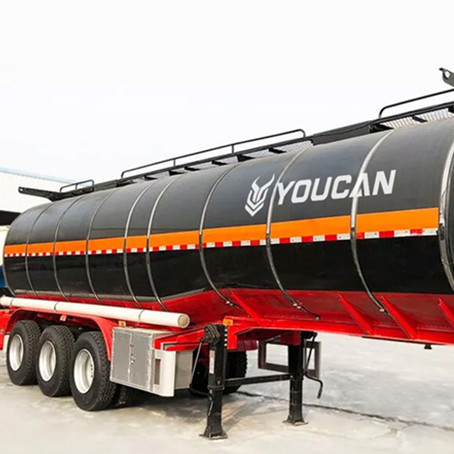
| Tank Trailers | Aluminum/Steel tank, 30-60 CBM capacity, multiple compartments | $$$$$ | Bulk liquids like fuel, chemicals, milk, or powdered goods like cement |
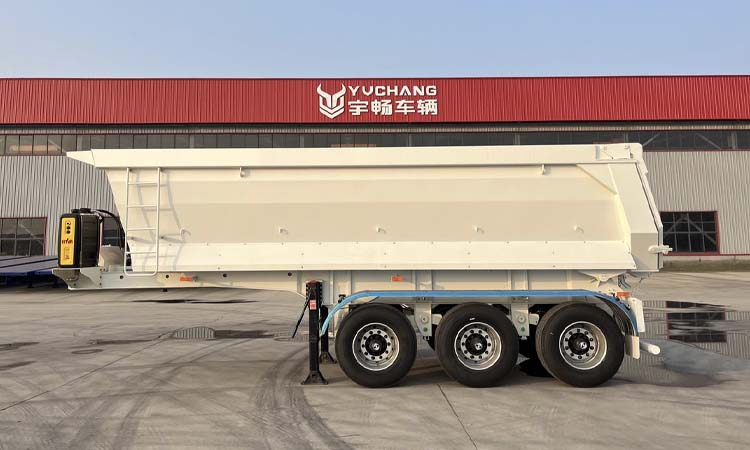
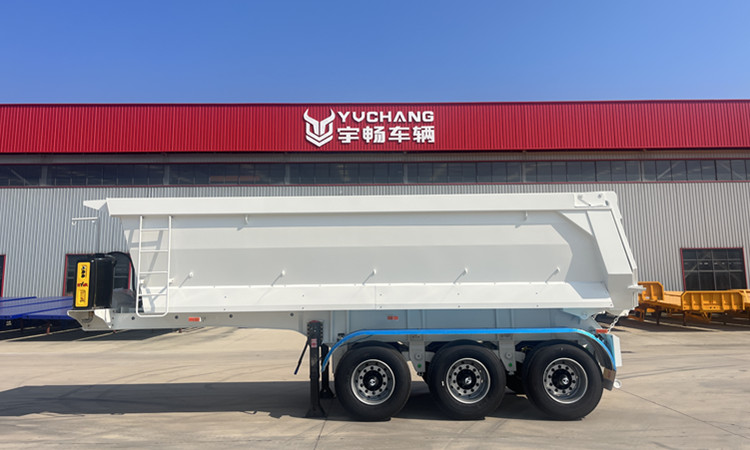
| Tipper Trailers | Rear or side tipping, 30-80 ton capacity, HYVA hydraulic system | $$$ | Transporting loose materials like sand, gravel, coal, and agricultural products |
Essential Features & Quality Standards
The difference between a trailer that lasts three years and one that lasts over a decade lies in the details. High-quality manufacturers adhere to strict production standards and use superior components.
Key Quality Differentiators:
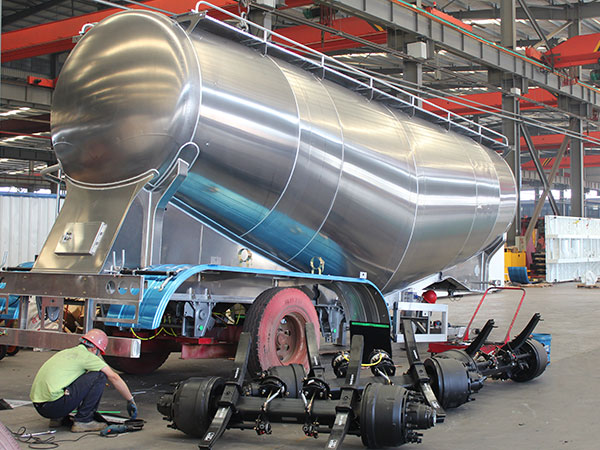
- Welding Quality: Look for manufacturers using automated submerged arc welding for main beams. This ensures deeper penetration and a more consistent, stronger weld than manual processes.
- Surface Treatment: A proper paint job is not just for aesthetics; it's for corrosion protection. A quality process involves complete shot blasting to remove all rust and oil, followed by an epoxy zinc-rich primer and a durable polyurethane topcoat.
- Component Brands: A manufacturer's choice of components speaks volumes. Reputable suppliers use globally recognized brands for critical parts: JOST for landing gear and kingpins, WABCO for brake systems, and BPW or FUWA for axles.
- International Certifications: A reliable manufacturer will hold key quality management certifications. Look for ISO 9001 as a baseline. Depending on your market, you may also require compliance with CE, ADR (for Australia), or GCC standards.
Total Cost of Ownership (TCO) & Budgeting Guide
The initial purchase price is only one part of the equation. A smart buyer evaluates the Total Cost of Ownership (TCO) to understand the true long-term investment. A cheaper trailer may cost you more in the long run through downtime and repairs.
Breakdown of Costs:
- Upfront Cost: The factory price of the trailer.
- Shipping & Insurance: The cost to transport the trailer from the factory in China to your port.
- Import Duties & Taxes: These vary significantly by country and must be factored into your budget.
- Ongoing Maintenance: Includes costs for tires, brake pads, suspension components, and regular inspections. Higher quality components reduce these costs over time.
- Downtime Costs: The most significant hidden cost. A breakdown due to a failed axle or cracked frame can cost thousands in lost revenue and repair bills.
When presenting the purchase to management, frame the investment in terms of ROI. A well-built trailer with premium components offers higher operational uptime, better fuel efficiency (with good alignment and tires), and a higher resale value, delivering a superior return over its lifespan.
Top Common Buying Mistakes & How to Avoid Them
- Chasing the Lowest Price: The cheapest quote often hides inferior steel, low-grade components, and rushed workmanship. Always compare specifications and component brands, not just the final price.
- Ignoring Local Regulations: Every country has specific rules for trailer dimensions, weight limits per axle, and lighting/braking systems. A professional manufacturer will ask about your country's regulations to ensure the trailer is compliant.
- Overlooking After-Sales Support: What happens if a component fails? Ensure the supplier has a clear warranty policy and a system for providing technical support and shipping spare parts quickly.
- Vague Specifications: Do not leave technical details open to interpretation. Provide a clear list of requirements, including material grades, component brands, and required features to receive an accurate quotation.
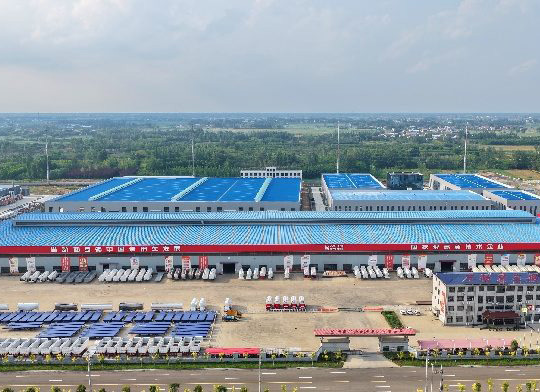
- Neglecting Factory Verification: If possible, conduct a video tour or third-party audit of the factory. This helps verify their production capacity, equipment, and quality control processes.
Customization & OEM/ODM Options
One of the primary benefits of working directly with a factory is the ability to customize your equipment. An experienced manufacturer can offer extensive OEM/ODM (Original Equipment Manufacturer/Original Design Manufacturer) services to meet your exact needs.
Common customizations include:
- Dimensional Adjustments: Modifying the length, width, or height of the trailer.
- Component Selection: Specifying your preferred brands for axles, suspension, tires, and braking systems.
- Structural Modifications: Adding extra container twist locks, side walls, or specialized fixtures. This is common for complex units like Interlink Trailers.
- Branding: Custom paint colors and application of your company logo and branding.
- Electrical System Adaptation: Ensuring the lighting and electrical connectors (e.g., 7-pin, 12-pin) are compatible with your fleet.
Inspection, Packaging & Shipping
A professional export process is crucial to ensure your trailer arrives safely and as specified. Your manufacturing partner should have robust procedures for final checks and international logistics.
Pre-Shipment Inspection (PSI):
Before the trailer leaves the factory, a final, thorough inspection should be conducted. This includes checking dimensions, welding quality, paint finish, and functionality of all systems (brakes, lights, landing gear). You should receive a detailed report with photos and videos for your approval.
Export Packaging:
Trailers are typically shipped via bulk vessel or in containers (for smaller or CKD/SKD parts). The manufacturer must prepare the trailer for ocean transit by applying wax or other protective coatings to prevent corrosion from saltwater. Sensitive parts should be securely wrapped.
Understanding Shipping Terms:
- FOB (Free On Board): The manufacturer is responsible for delivering the trailer to the designated port in China. You are responsible for ocean freight, insurance, and import logistics.
- CIF (Cost, Insurance, and Freight): The manufacturer arranges and pays for shipping and insurance to your destination port. You are responsible for import clearance and duties.
- DDP (Delivered Duty Paid): The manufacturer handles everything, including shipping, insurance, import clearance, and duties, delivering the trailer to your specified location. This is the most hands-off option but typically the most expensive.
Why Partner with Us as Your Manufacturer?
As an established manufacturer with extensive export experience, we understand the demands of the global logistics industry. We are not just a supplier; we are a production partner dedicated to your success.
Our commitment includes:
- Strict Quality Control: From raw material inspection to final pre-shipment testing, every stage of production is monitored to meet international standards.
- Advanced Manufacturing: We utilize modern equipment, including plasma cutters, automated welding robots, and a dedicated paint booth to ensure precision and durability.
- Experienced Engineering: Our technical team works with you to design and customize trailers that are perfectly suited to your application and compliant with your local regulations.
- Transparent Communication: We provide regular production updates and detailed inspection reports, so you are always informed about the status of your order.
- Comprehensive Support: We offer a solid warranty on all our products and provide lifetime technical support to ensure your fleet remains operational.
For detailed specifications on our trailer models or to discuss your custom requirements, please submit your drawings for a technical review.
Frequently Asked Questions (FAQ)
What is your Minimum Order Quantity (MOQ)?
For most of our semi-trailer models, the Minimum Order Quantity is one (1) unit. We support both large fleet orders and single-unit purchases for businesses of all sizes.
What is the typical production lead time?
The standard production lead time is typically between 25 to 40 days, depending on the complexity of the trailer and the level of customization required. We will provide a precise schedule upon order confirmation.
What warranty do you offer on your trailers?
We provide a comprehensive 12-month warranty covering the main frame and other major structural components against manufacturing defects. Key components from third-party suppliers (like axles and landing gear) are covered by their respective manufacturer's warranty.
What are your payment terms for international orders?
Our standard payment term is via Telegraphic Transfer (T/T). We typically require a 30% deposit to begin production and the remaining 70% balance to be paid before shipment after you have approved the pre-shipment inspection photos and documents.
Do you provide after-sales service and spare parts?
Yes, we offer lifetime technical support via email or phone. We maintain a stock of common parts and can quickly ship any necessary replacement components worldwide to minimize your downtime.
Semi Trailer for Sale Export Market Buying Trends
Explore how export buyers evaluate a semi trailer for sale, from demand drivers to packaging. Request a quote or selection advice from our engineers.
Read More →
Flatbed vs Lowbed: Guide from a China Trailer Manufacturer
Choosing between a flatbed and a lowbed trailer? This guide from a leading China trailer manufacturer compares specs, costs, and applications to help ...
Read More →