Semi Trailer for Sale Export Market Buying Trends
1. Executive Summary and Market Snapshot
Global freight networks are being reshaped by infrastructure investment, regional trade corridors and tighter vehicle regulations. For procurement teams comparing each semi trailer for sale on the international market, the buying criteria have moved beyond purchase price. Total cost of ownership, payload efficiency, compliance and aftersales support now carry equal weight.
This guide gives importers, distributors and fleet owners a neutral view of current demand, the trends influencing specifications, and the practical steps that reduce risk when sourcing from overseas manufacturers.
| Key Market Driver | Emerging Tech Trend | Strategic Impact on Procurement |
|---|---|---|
| Infrastructure and mining expansion | High-strength steel and lightweight design | Higher payload per trip and lower fuel cost per tonne |
| Stricter axle-load and safety rules | Advanced braking and axle monitoring | Easier homologation and fewer fines on delivery |
| Fleet cost pressure | Modular and standardized components | Shorter repair time and simpler spare-parts stocking |
| Niche cargo requirements | Configurable OEM and ODM engineering | Better fit for local cargo and road conditions |
2. Current State of the Industry
Production and Demand Across Key Regions
Asia remains the largest export manufacturing base, supported by integrated steel supply, mature welding and fabrication capacity, and competitive lead times. Buyers in Africa, Southeast Asia, the Middle East and Latin America source heavily from this region.
Europe is a demand center for premium, regulation-driven trailers. Weight-saving design, ADR-style tank requirements and strict braking standards shape its specifications.
North America favors durable, high-capacity designs and has a strong aftermarket culture. Standardized parts availability is a major purchasing factor.
Sectors Driving Adoption
- Construction and mining need tippers and heavy-haul equipment for aggregates and machinery.
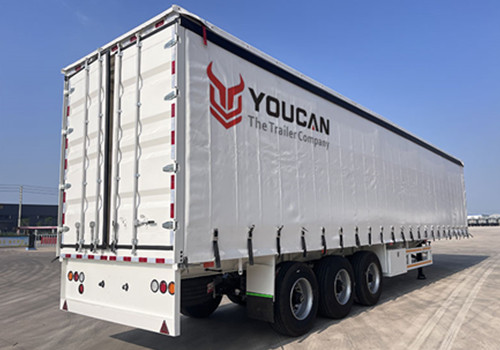
- Agriculture and food logistics use curtain-sided, stake and general cargo trailers.
- Energy and chemicals require tankers for fuel, liquids and bulk powders.
- Ports and intermodal freight rely on container-handling chassis.
3. Key Trends Shaping the Industry
Trend 1: Lightweight Construction and Payload Efficiency
Operators increasingly specify high-tensile steel and aluminum components to reduce tare weight. Every kilogram saved can convert into additional payload, which directly improves revenue per trip.
The trade-off is fabrication quality. Lighter structures demand precise welding, controlled heat treatment and verified material grades to preserve fatigue life.
Trend 2: Telematics and Smart Monitoring
Fleet managers now ask for provisions for GPS tracking, tire-pressure monitoring, brake-wear sensors and load sensing. These features reduce unplanned downtime and support predictive maintenance schedules.
Even where buyers do not install electronics at purchase, they want wiring and mounting points ready for later upgrades.
Trend 3: Customization by Cargo and Terrain
Standard catalog models are no longer enough for many regions. Buyers request specific kingpin positions, suspension types, floor thicknesses, tank compartments and tipping angles to match local roads and cargo.
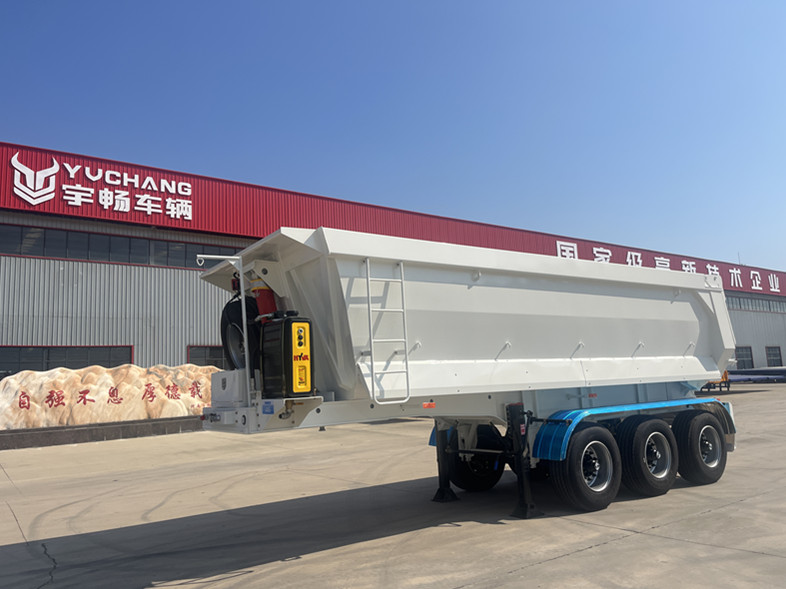
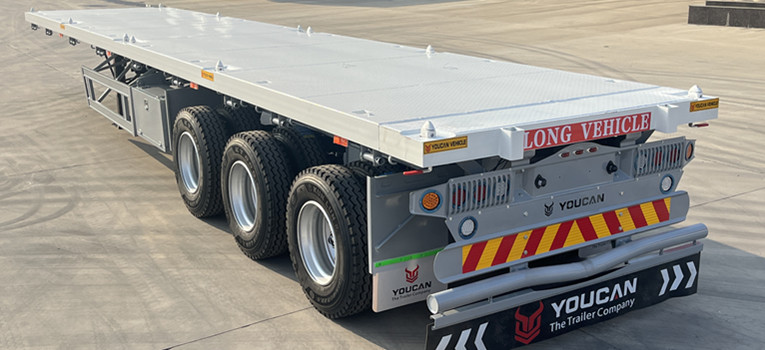
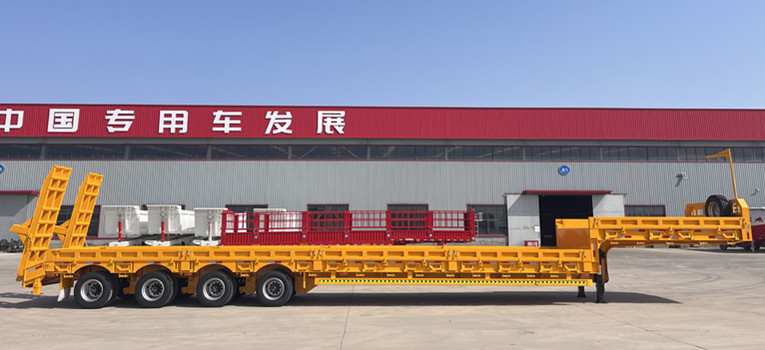
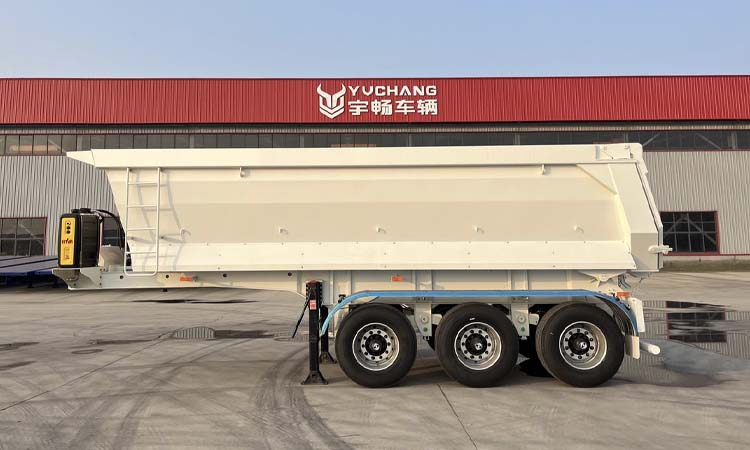
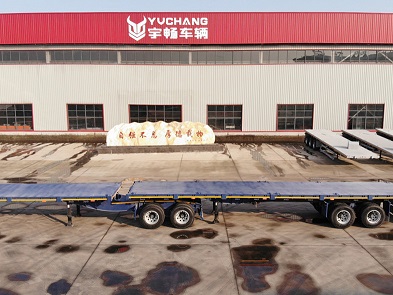
Application-specific units such as Tipper Trailers and Flatbed Trailers are commonly adjusted for payload, body height and axle count.
Trend 4: Lifecycle Cost Over Unit Price
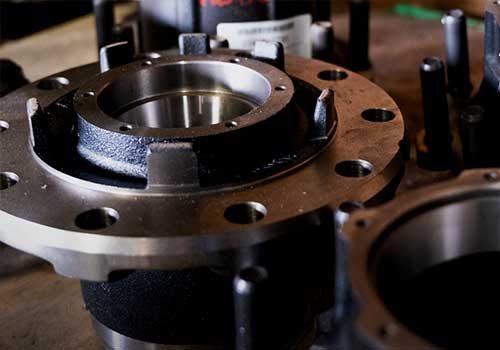
Procurement directors increasingly model cost per kilometer, not just invoice value. Wear-resistant steel, sealed bearings, quality coatings and standardized axles lengthen service intervals and protect resale value.
4. Industry Challenges and Strategic Solutions
Raw Material Volatility
Steel and aluminum prices fluctuate, which complicates long-term budgeting. Fixed-price windows, clear bill-of-materials specifications and early order planning help stabilize costs.
Compliance and Homologation
Axle-load limits, lighting rules, braking requirements and dimensional regulations differ by country. Trailers built without these in mind may face costly modification at the port of arrival.
Manufacturers with documented engineering processes can pre-configure units to the destination market and supply the drawings and certificates that customs and registration offices require.
Labor and Skills Shortages
Skilled welders and fabricators are scarce in many regions. Robotic welding, CNC cutting and jig-based assembly improve repeatability and reduce dependence on individual operator skill, which leads to more consistent structural quality.
Corrosion and Harsh Operating Conditions
Coastal, desert and high-humidity routes accelerate wear. Shot blasting, epoxy primers and multi-layer paint systems extend body life and keep maintenance budgets predictable.
5. B2B Procurement Advice and Future-Proofing
When assessing any semi trailer for sale from an overseas supplier, a structured evaluation protects both budget and uptime.
- Define the duty cycle first. Document cargo type, density, route surface, and annual mileage before comparing models.
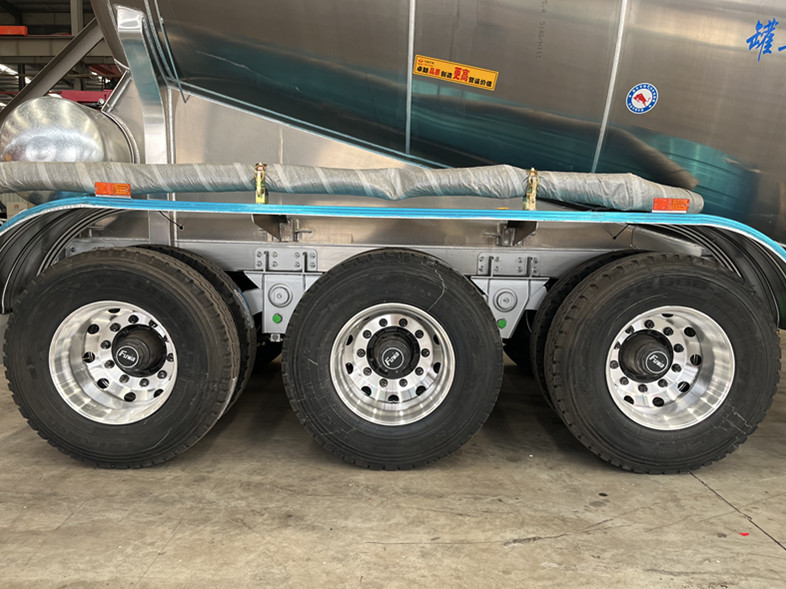
- Verify structural data. Ask for chassis beam specifications, steel grades, suspension ratings and axle brands.
- Check certification. Confirm quality management certification such as ISO and relevant product conformity requirements for your market.
- Plan the spare-parts strategy. Standard, widely available Trailer Parts shorten downtime and reduce inventory risk.
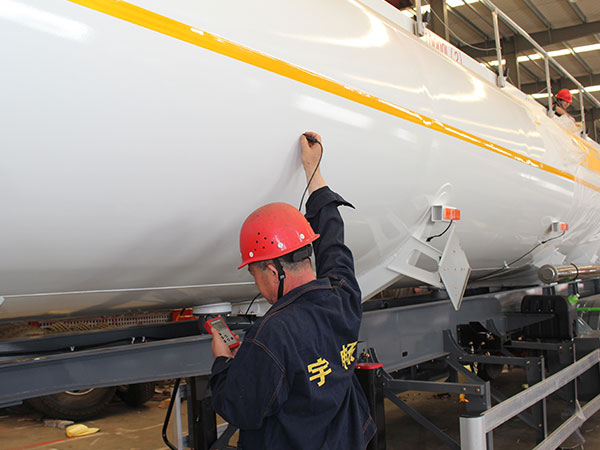
- Request inspection access. Factory audits or third-party pre-shipment inspection reduce quality disputes.
- Choose adaptable platforms. A configuration that can accept different bodies, axle layouts or later electronics keeps the asset useful if your business changes.
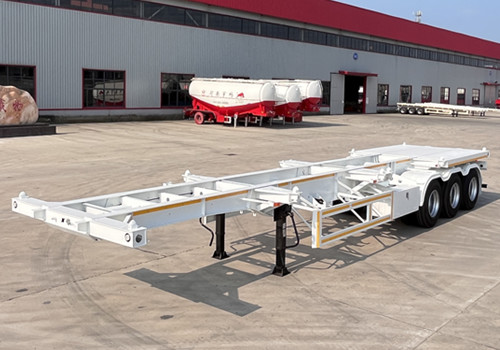
For ports and intermodal operations, a purpose-built Container Chassis with the correct twist-lock layout can deliver better utilization than a general platform.
6. R&D and Customization Capabilities (OEM/ODM)
Agile engineering is now a procurement differentiator. A manufacturer able to turn a buyer's drawings or cargo brief into a validated design shortens the path from inquiry to production.
What Capable OEM/ODM Support Looks Like
- Structural analysis and load calculation for non-standard dimensions
- Configurable axle number, suspension type and brake system
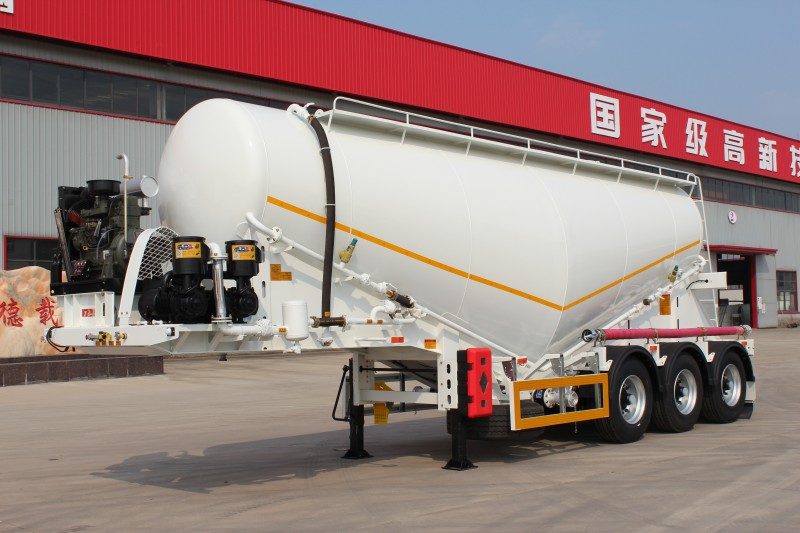
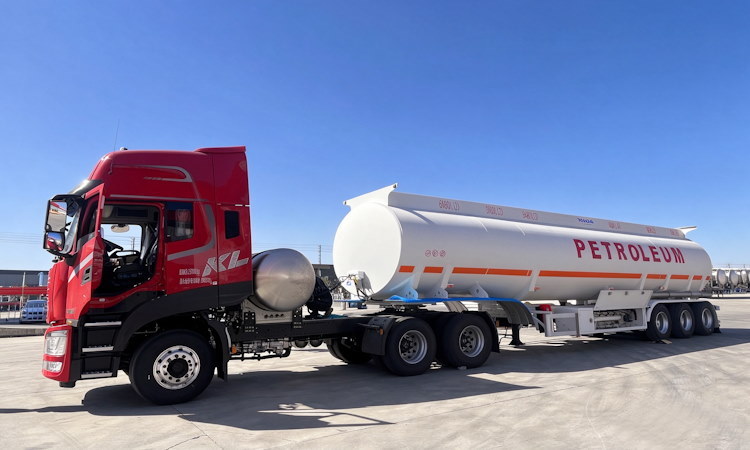
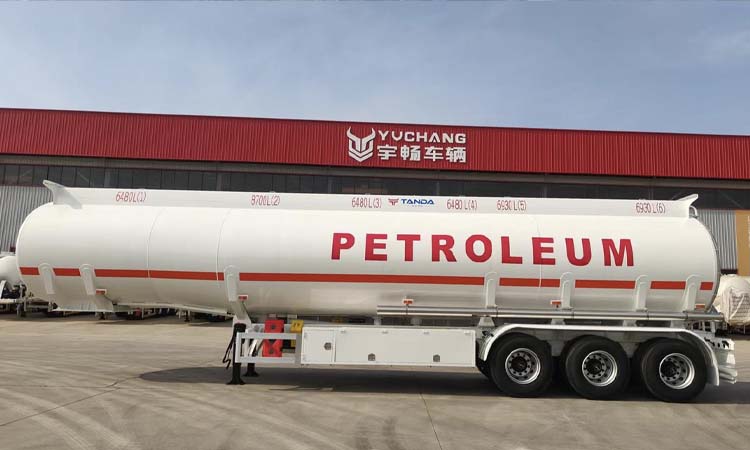
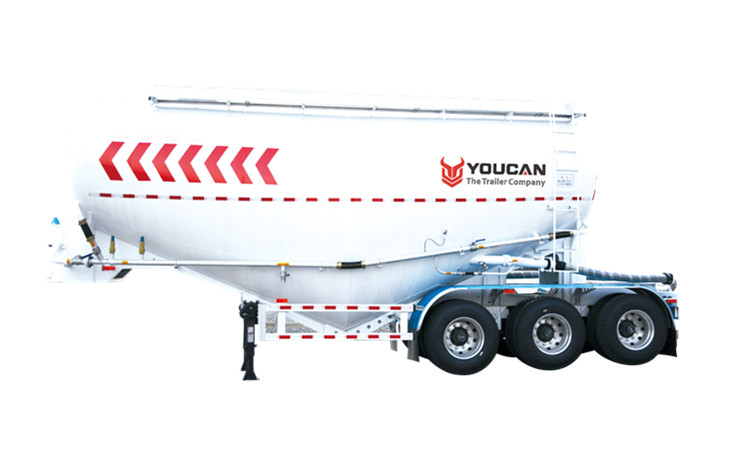
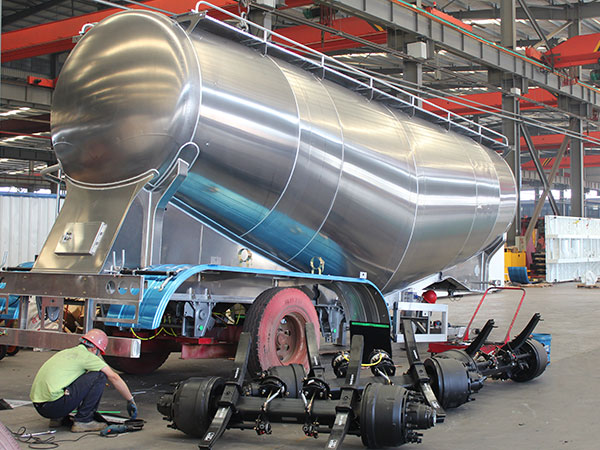
- Tank volume, compartment, valve and fitting options for liquids and bulk materials, including Tank Trailers
- Private-label branding, color schemes and documentation in the buyer's language
- Prototype review and engineering sign-off before mass production
This flexibility allows distributors to serve niche segments, such as specialized mining haulage or local chemical transport, without carrying large inventories of unsuitable models.
7. Logistics and Sustainable Packaging Outlook
Trailers are bulky, so export efficiency begins at the design stage. Many shipments use flat-rack, open-top or Ro-Ro arrangements, while components may be shipped knocked down to improve container fill.
Modern Export Packaging Priorities
- Anti-corrosion protection through wax or protective film on exposed metal, plus VCI wrapping for machined parts.
- Eco-friendly materials such as recyclable wood from certified, fumigation-free sources and reusable steel cradles.
- Compact freight optimization using stackable or semi-knocked-down configurations to reduce cost per unit shipped.
- Secure lashing plans with defined tie-down points to prevent transit damage.
- Clear labeling and documentation to speed customs clearance and reassembly at destination.
Buyers should request a written packing plan and photographs at loading as part of the order process.
8. Strategic Manufacturing Partnership and Next Step
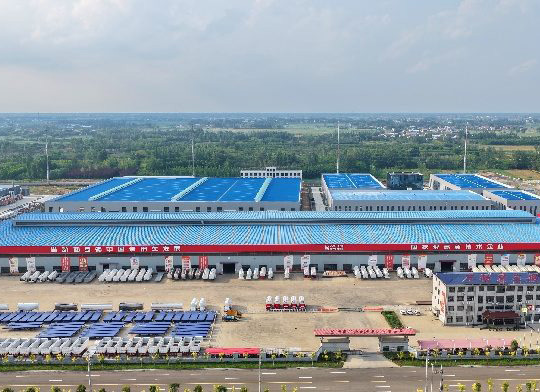
The strongest supplier relationships combine engineering depth with transparent communication. Look for a manufacturer with documented quality systems, ISO and CE-aligned processes where applicable, scalable production capacity, in-house design capability and responsive international support.
Such a partner can supply full-range solutions, from general transport equipment to specialized units, and support buyers after delivery with technical guidance and parts supply.
If you are comparing specifications, share your cargo type, destination regulations and target payload. Our engineers can review your requirements and prepare a tailored proposal. Request a Custom B2B Quote or ask for selection advice through our website.
9. Industry FAQ
What is driving growth in the export trailer market?
Infrastructure construction, mining activity, growth in regional trade corridors and fleet renewal are the main drivers. Stricter safety and load regulations also encourage operators to replace older, less efficient equipment.
How often should a fleet replace its semi trailers?
Replacement cycles depend on duty and maintenance quality. Well-maintained units in moderate service often run for many years. Replacement is usually justified when repair cost, downtime or regulatory non-compliance outweighs the value of continued use.
What should buyers check before choosing a semi trailer for sale from overseas?
Verify steel grades, axle and suspension brands, welding quality, certification, local compliance requirements, warranty terms and parts availability. A factory audit or pre-shipment inspection adds further assurance.
Are long-term prices likely to rise or fall?
Prices follow steel, aluminum, component and freight costs. Short-term movement is difficult to predict, so many buyers use clear quotations, agreed validity periods and early order planning to manage exposure.
Is customization worth the extra lead time?
For specialized cargo or demanding terrain, usually yes. A trailer matched to its application typically delivers better payload use, lower maintenance and a longer working life than an ill-suited standard model.
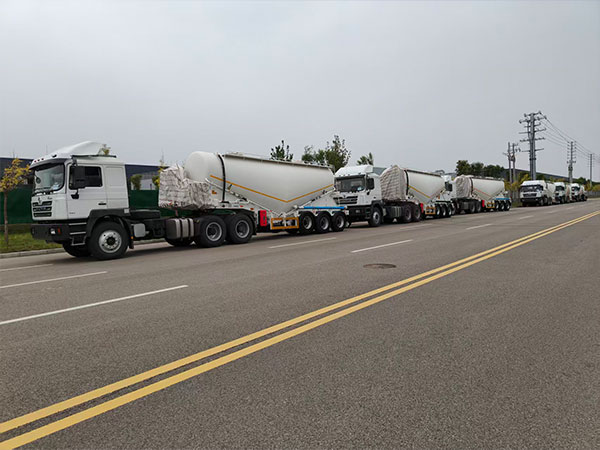
Your Trusted Global Semi Trailer Manufacturer | Custom Solutions
Partner with a leading semi trailer manufacturer for reliable, ISO-certified flatbeds, tankers, and custom trailers. We offer factory-direct pricing a...
Read More →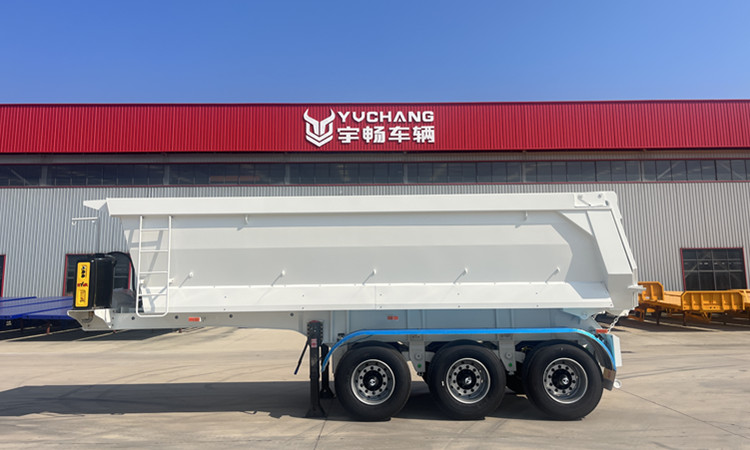
Vetting a China Trailer Manufacturer for Export Success
A comprehensive guide to vetting a China trailer manufacturer. Learn key specs, quality standards, and common mistakes to ensure a successful import p...
Read More →