 WhatsApp
 sales@youcantrailer.com
 +8615203709888
How Does YOUCAN Prepare Semi Trailers for International Shipment?
How Does YOUCAN Prepare Semi Trailers for International Shipment?
Quick Answer
Before international shipment, YOUCAN should prepare the semi trailer by completing the approved build, final inspection, corrosion and impact protection, accessory and document check, loading or lashing plan, and handover to the logistics party. The supplier and buyer should agree what is included in the shipment, how the trailer will be handled, which documents are required, and who is responsible after factory release.
Why Manufacturing Is Not Finished at the Paint Booth
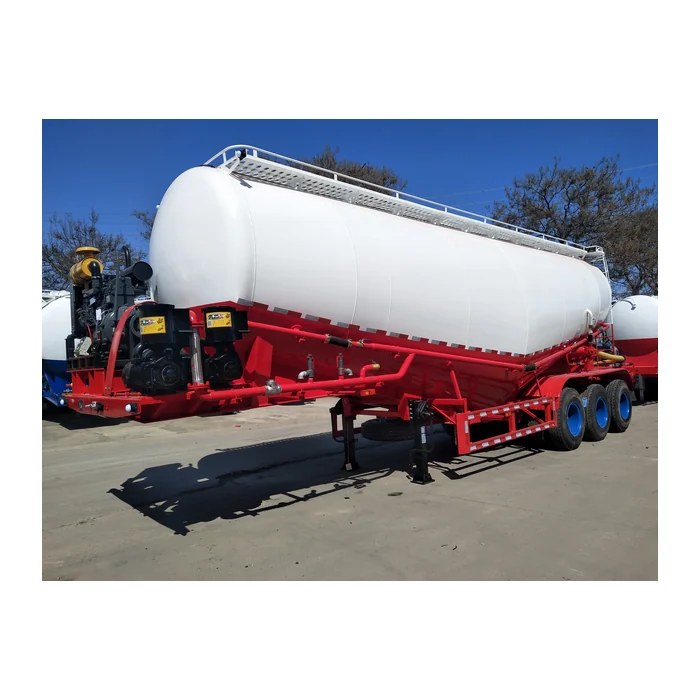
A trailer can leave the production line in good condition and still arrive with damage, missing documents, water entry, loose accessories, or a configuration mismatch if the shipment handover is not controlled. Export preparation connects factory quality with transport reality.
| Preparation area | What to confirm | Why it matters |
|---|---|---|
| Final condition | Configuration, dimensions, systems, paint, and corrections | Shipment should start from an accepted unit |
| Protection | Sensitive surfaces, lights, air and electrical connections, loose parts | Handling and weather can create damage |
| Lashing and handling | Lift points, tie-down points, access, and weight information | Poor handling can distort or scratch the trailer |
| Accessories | Tools, spare tire, ramps, locks, hoses, and loose items | Missing items are difficult to recover later |
| Documents | Invoice, packing list, origin, manuals, inspection file, and destination items | Customs and registration depend on accurate data |
| Handover | Release time, responsible party, photos, and seal or loading record | Responsibility changes after factory release |
How the Factory Prepares the Trailer
1. Close the Manufacturing and Inspection Loop
Before loading, the unit should match the approved drawing and configuration. Open corrections should be closed or documented with a written disposition. The final photo set should be taken before transport handling changes the condition.
2. Protect Vulnerable Areas
Lights, connectors, painted edges, exposed valves, air fittings, hoses, steps, ramps, and removable accessories may need covers or separate packing. Protection should not create trapped moisture or hide a defect that has not been inspected.
3. Prepare Loose Parts and Tools
A packing list should identify loose accessories and the location or package in which they travel. The buyer should know whether spare parts, manuals, tools, hoses, and certificates are inside the trailer, separately packed, or supplied electronically.
4. Align the Shipping Data
Commercial descriptions, quantities, dimensions, weight, serial numbers, and package information should be consistent across the document set. The exact requirements depend on country, customs route, and shipping arrangement.
5. Record the Loading Handover
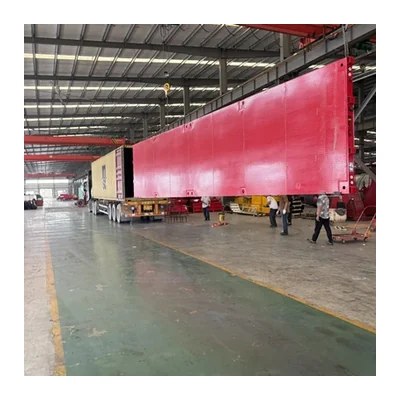
Photographs of the trailer before and after loading, lashing points, protection, and document handover help preserve the condition and responsibility record.
Factory Release vs Import Clearance
The factory can prepare documents within its responsibility, but the buyer and local customs or registration professionals must confirm destination requirements. A supplier should not claim that a standard export file automatically satisfies every market's customs, type approval, or registration process.
Engineering Note: The best shipment package makes the delivered trailer identifiable: one serial number, one configuration, one document list, and one condition record.
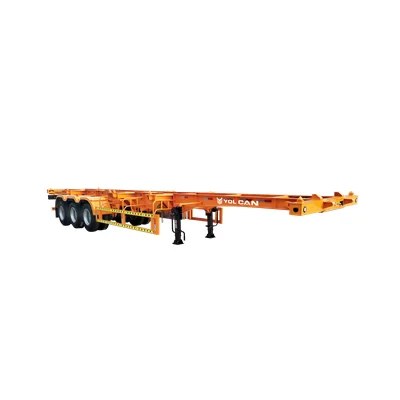
Product type changes the shipment details. A bulk cement trailer may have discharge equipment and loose accessories, while a skeleton trailer or lowbed has different handling and protection needs. Use the supplier's quality control process as the starting point.
Common Buyer Mistakes
Waiting until loading day to ask what documents or loose items are included.
Using inconsistent trailer descriptions across invoice, packing list, and inspection records.
Failing to protect lights, connectors, valves, or painted edges.
Assuming factory release and destination registration are the same responsibility.
Taking no condition photos after loading and lashing.
Key Takeaways
Shipment preparation starts after final inspection but before loading.
Protect vulnerable areas without hiding defects or trapping moisture.
Pack and identify accessories, tools, manuals, and spare parts.
Keep commercial, technical, and shipping data consistent.
Record the condition and responsibility at factory handover.
FAQ
What documents are commonly prepared for shipment?
Common categories include commercial invoice, packing list, transport documents, origin documents when required, inspection evidence, manuals, and destination-specific files. Confirm the exact list locally.
How should a trailer be protected for shipping?
Protect exposed components, paint, lights, connectors, and loose accessories using a method suitable for the loading and transport route.
Who is responsible for registration documents?
Responsibility depends on the market and contract. The buyer should confirm local registration requirements with the relevant authority or professional.
Should the buyer inspect after loading?
Where practical, review loading, protection, lashing, and the final photo set before handover.
Can a trailer be shipped with loose parts inside?
Often yes, if they are securely packed, identified, and declared appropriately. Confirm handling and customs requirements.
Conclusion
International shipment preparation protects the value created by manufacturing. A controlled handover combines final inspection, physical protection, accurate documents, clear responsibility, and a condition record that can be understood after the trailer leaves the factory.
References
Incoterms 2020 rules for delivery responsibilities where applicable
ISO 9001 quality management systems
Destination-market customs, transport, and registration requirements confirmed for the shipment