 WhatsApp
 sales@youcantrailer.com
 +8615203709888
How Does Factory Quality Control Reduce Warranty Issues?
How Does Factory Quality Control Reduce Warranty Issues?
Quick Answer
Factory quality control reduces semi trailer warranty issues by preventing defects, finding errors before shipment, documenting the approved configuration, and feeding field information back into engineering and production. The most effective controls happen before final inspection: material and part checks, fit-up, welding, assembly, routing, coating, testing, and change management. Warranty reduction is therefore a process result, not a promise made at delivery.
Why Warranty Problems Usually Start Earlier
A field problem may appear as a cracked bracket, leaking air line, failed light, paint corrosion, loose accessory, or incorrect dimension. The visible symptom may be discovered months later, but the cause can begin with a drawing assumption, a missing option, poor fit-up, uncontrolled repair, weak protection, or incomplete handover.
| Warranty risk | Earlier control | Useful evidence |
|---|---|---|
| Structural crack | Design review, fit-up, welding, distortion, inspection | Drawing, procedure, inspection, repair record |
| Air or brake issue | Component compatibility, routing, leak and function checks | Configuration and test record |
| Electrical failure | Connector, grounding, routing, sealing, functional test | Lighting checklist and photos |
| Paint corrosion | Surface preparation, coating system, coverage, curing | Preparation and coating records |
| Accessory failure | Mounting, clearance, load, and operation check | Configuration and function test |
| Wrong delivered configuration | Revision control and final inspection | Approved drawing and release checklist |
How Quality Control Reduces Warranty Work
Control the Input
The factory begins with the right drawing, material, parts, and revision. A wrong or substituted component can create a warranty issue even when the assembly looks professional.
Control the Process
Fit-up, welding, assembly torque or fastening, line routing, electrical protection, and paint preparation should be checked where the work occurs. Finding a problem before the next process is cheaper and more reliable than finding it after delivery.
Control Changes and Repairs
Custom orders and production corrections need controlled changes. A repair that is not recorded can make future diagnosis difficult and can allow a recurring issue to remain invisible in the quality system.
Control the Release
Final inspection should check the finished trailer against the approved configuration and test the systems. The handover file should include the information needed for operation, service, parts, and warranty communication.
Learn From Field Evidence
Warranty claims should be classified by cause, product, component, route, and frequency. A factory that only replaces parts may close individual claims without improving the process. A factory that studies patterns can reduce recurrence.
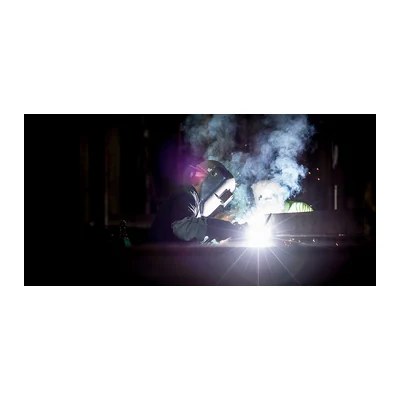
A Warranty-Prevention Review
| Question | Why it matters |
|---|---|
| Was the problem present in the approved design? | Separates design risk from production error |
| Was the correct component installed? | Prevents substitution and configuration confusion |
| Was the process checked before assembly moved on? | Finds defects closer to their source |
| Was the trailer operated within its design basis? | Separates misuse from product cause |
| Was the repair documented and re-tested? | Prevents repeat failure and unclear history |
Engineering Note: A warranty program should be a feedback loop. Each confirmed cause should change a drawing, work instruction, inspection item, supplier control, or buyer handover note when appropriate.
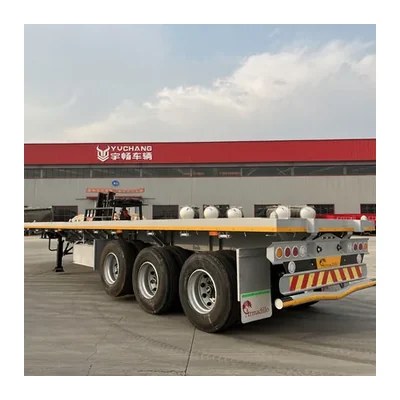
Buyers can review the supplier's quality control and factory overview pages, then ask how the process supports the actual flatbed trailers, lowbed trailers, or tanker they plan to operate.
Common Buyer Mistakes
Judging warranty strength only by the length of the warranty period.
Failing to define operating conditions and excluded misuse.
Accepting a replacement part without asking for root-cause analysis.
Not keeping the delivered configuration, serial number, and service history.
Treating recurring claims as isolated events.
Key Takeaways
Warranty reduction starts with process controls before final inspection.
Configuration, material, welding, assembly, routing, coating, and testing all matter.
Records make it possible to identify the true cause of a claim.
Field feedback should improve the process, not only replace parts.
Buyers should retain the final configuration and handover file.
FAQ
Can quality control eliminate all warranty issues?
No. It reduces preventable risk, but operating conditions, misuse, wear, accidents, and component failures can still occur.
What quality records help with a warranty claim?
The approved configuration, serial number, inspection record, photos, test results, service history, and clear problem description.
Why do paint warranty issues occur?
Possible causes include preparation, coating, handling, environment, impact, chemical exposure, or service conditions.
How should a factory handle a recurring warranty problem?
Classify the cause, contain affected units, correct the process, and verify that the change reduces recurrence.
Does a longer warranty always mean better quality?
Not necessarily. Warranty terms matter, but process evidence, support response, parts, and clear responsibilities matter too.
Conclusion
Factory quality control reduces warranty issues by moving learning and verification earlier in the process. Buyers should ask how defects are prevented, how records are kept, and how field problems change the next trailer.
References
ISO 9001 quality management systems
ISO 10005 guidelines for quality plans
ISO 3834 quality requirements for fusion welding of metallic materials