 WhatsApp
 sales@youcantrailer.com
 +8615203709888
Can Overseas Buyers Inspect Semi Trailers Before Shipment?
Can Overseas Buyers Inspect Semi Trailers Before Shipment?
Quick Answer
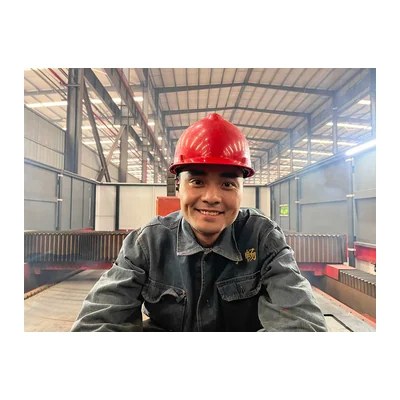
Overseas buyers can inspect semi trailers before shipment through an on-site factory visit, a buyer representative, an independent third-party inspector, a live remote inspection, or a combination of these methods. The inspection should follow the approved drawing, configuration, checklist, and destination requirements. An inspection can reveal condition and evidence, but it cannot replace a clear specification or guarantee how the trailer will be operated after delivery.
What an Overseas Buyer Inspection Can Achieve
A pre-shipment inspection gives the buyer a structured opportunity to verify identity, configuration, dimensions, visible structure, systems, finish, documents, corrections, and loading readiness. It is especially useful when the buyer cannot visit the factory during production or when a custom order has several high-risk options.
| Inspection method | Strength | Limitation |
|---|---|---|
| Buyer on site | Direct questions and immediate judgment | Travel cost and availability |
| Buyer representative | Local presence with agreed authority | Quality depends on briefing and reporting |
| Third party | Independent process and formal report | Inspector needs a complete technical basis |
| Live remote inspection | Lower cost and quick access | Camera angle and test capability are limited |
| Document and photo review | Useful for progress and evidence | Cannot replace hands-on checks for every item |
How to Plan the Inspection
1. Agree the Inspection Point
Decide whether the inspection will occur after assembly, after painting, after correction, before loading, or at more than one milestone. The timing should leave room for correction if the contract requires it.
2. Send the Technical Basis
Provide the inspector with the approved quotation, drawing, configuration sheet, options, acceptance criteria, destination requirements, and photo expectations. An inspector cannot verify a requirement that has never been defined.
3. Prioritize High-Risk Items
Focus first on custom dimensions, structural details, axle and suspension package, brake and electrical compatibility, special equipment, paint system, documents, and anything difficult to correct after loading.
4. Observe Function, Not Only Appearance
Operate ramps, doors, locks, landing gear, hydraulic or discharge equipment, lights, and other included systems where practical. Check connections and routing, not only the presence of parts.
5. Close the Findings Clearly
The report should distinguish pass, observation, correction required, concession, and release. Open items should have a responsible party and a re-check method.
A Practical Inspection Plan
| Inspection block | Buyer focus |
|---|---|
| Identity and scope | Correct unit, serial, model, revision, and options |
| Structure and dimensions | Frame, body, welds, alignment, critical measurements |
| Running gear | Axles, suspension, wheels, tires, kingpin, brakes |
| Systems and accessories | Air, electrical, lights, ramps, locks, tools, hoses |
| Finish and marks | Paint, edges, underside, labels, reflective markings |
| Documents and shipment | Manuals, packing list, photos, corrections, loading plan |
Engineering Note: Inspection independence is useful, but inspection quality depends first on the technical basis. An independent inspector with no approved configuration can only report what looks unusual.
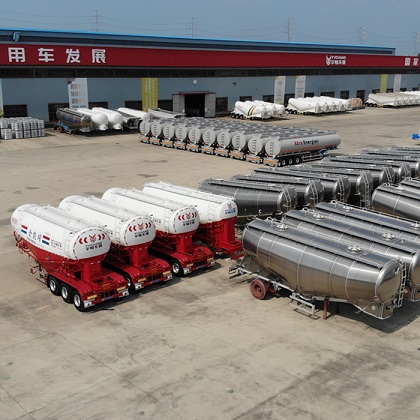
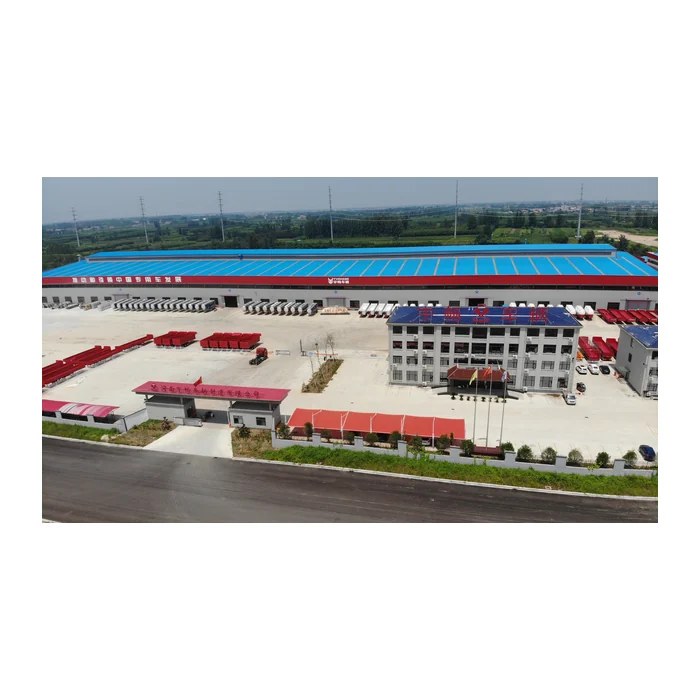
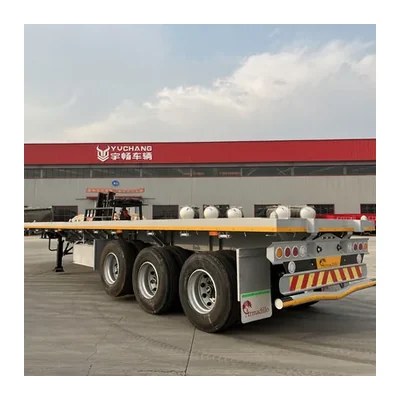
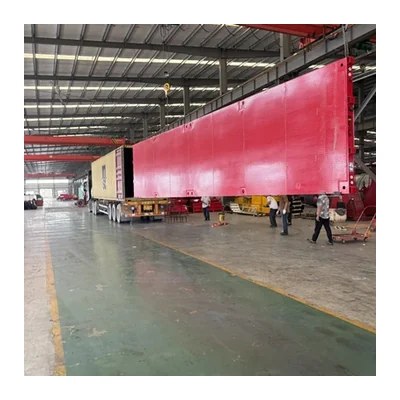
Use the supplier's factory overview and quality control pages before the visit, then inspect the actual flatbed trailers, lowbed trailers, or other model against its own order documents.
Common Buyer Mistakes
Booking an inspector without sending the approved configuration.
Inspecting only the appearance because testing was not planned.
Waiting until the trailer is already loaded to report a correction.
Treating a third-party report as a substitute for destination-market approval.
Failing to define who can accept a concession or authorize release.
Key Takeaways
Overseas inspections can be on site, representative-led, third-party, remote, or combined.
The inspection needs a complete technical basis and clear acceptance criteria.
Prioritize items that are difficult or expensive to correct after shipment.
Observe functions and connections, not just appearance.
Record findings, corrections, concessions, and release authority clearly.
FAQ
Can I inspect a semi trailer remotely?
Yes. Live video and document review can cover many items, but access, measurement, and functional testing may be more limited than on-site inspection.
Is third-party inspection mandatory?
Not universally. It depends on the contract, buyer risk, destination requirements, financing, and the agreed quality plan.
When should I schedule inspection?
Before shipment and early enough to allow correction or re-inspection where required.
What should I send the inspector?
The quotation, approved drawing, configuration, checklist, acceptance criteria, destination requirements, and reporting format.
Can an inspection guarantee the trailer will never fail?
No. It verifies the condition and evidence at the inspection point; operation, maintenance, route, and later events still matter.
Conclusion
Overseas buyers can inspect before shipment, but the inspection works best as part of a larger control system. Clear documents, risk-based checks, functional testing, and written release decisions make the distance between buyer and factory much easier to manage.
References
ISO 9001 quality management systems
ISO 10005 guidelines for quality plans
Destination-market inspection and registration requirements confirmed for the project