 WhatsApp
 sales@youcantrailer.com
 +8615203709888
How Does YOUCAN Build Quality Into Every Stage of Production?
How Does YOUCAN Build Quality Into Every Stage of Production?
Quick Answer
YOUCAN builds quality into every stage of semi trailer production by controlling the requirement, engineering basis, materials, fabrication, welding, assembly, coating, testing, inspection, documentation, and shipment handover. Final inspection is important, but it is only one quality gate. The better approach is to prevent errors where they begin and carry the approved configuration through every department.Quality is built through a chain of decisions, checks, records, and corrections from inquiry to shipment.
What a Quality Philosophy Means in Manufacturing
Quality philosophy is not a slogan about perfection. It is a practical decision that every stage must produce a condition suitable for the next stage and that the final trailer must be traceable to the buyer's approved requirement. This turns quality from a final department's job into a shared production responsibility.
| Stage | Quality question | Evidence |
|---|---|---|
| Requirement | Do we understand the real operating need? | Brief and clarification record |
| Engineering | Is the design buildable and appropriate? | Drawing, revision, and configuration |
| Materials | Are the right grades and parts identified? | Material and component records |
| Fabrication | Are parts cut, formed, and fitted correctly? | Fit-up and dimensional checks |
| Welding | Are joints made by a controlled process? | Procedure, personnel, inspection |
| Assembly | Do systems and accessories match and function? | Configuration and function checks |
| Finish | Is the surface protected for the service environment? | Preparation and coating evidence |
| Release | Does the delivered unit match the approved basis? | Final checklist and handover file |
How Quality Is Built Into Each Stage
Start With the Right Question
The factory first needs to understand cargo, route, tractor, loading method, market, and service conditions. A wrong requirement can produce a well-built trailer that is still wrong for the buyer.
Make the Design Controllable
The drawing and configuration should identify dimensions, materials, running gear, systems, accessories, finish, documents, and acceptance points. Revision control keeps the order stable as it moves through departments.
Make Material and Process Visible
Material grade, component choice, fit-up, welding, assembly, and coating should have checks close to the work. Early detection limits rework and makes root-cause analysis more useful.
Make the Finished Trailer Testable
The design should leave access for inspection and maintenance. Systems should be testable, critical dimensions measurable, and custom features easy to compare with the order documents.
Make Handover Part of Quality
A trailer without accurate documents, spare-parts information, manuals, inspection evidence, and shipment protection is not a complete industrial delivery. Quality continues until responsibility changes hands.
Quality Maturity Decision Matrix
| Factory behavior | What it looks like | Buyer interpretation |
|---|---|---|
| Final inspection only | Defects are found at the end | High correction and surprise risk |
| Process checkpoints | Each department checks its output | Better prevention and traceability |
| Controlled configuration | Drawing, revisions, and options stay aligned | Lower change and mismatch risk |
| Feedback loop | Warranty and field data change the process | Quality improves over time |
| Buyer-visible evidence | Records and milestones are easy to follow | Stronger trust and faster decisions |
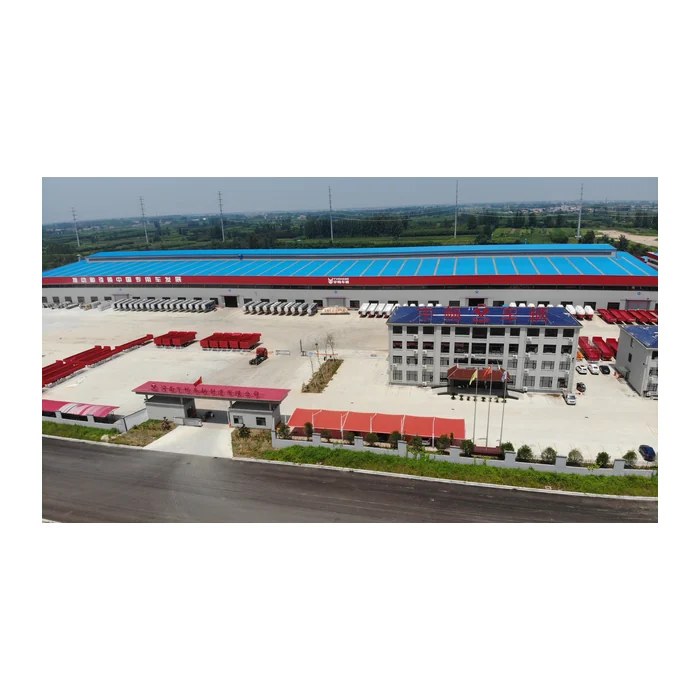
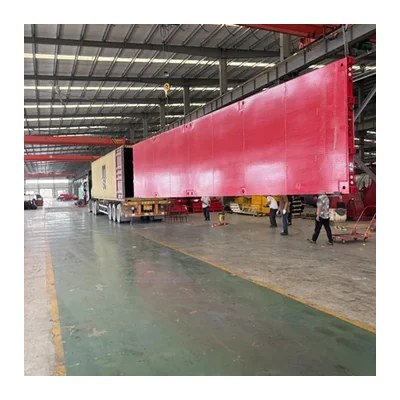
Buyers can review the supplier's factory overview and quality control information, then connect the philosophy to the actual product, from flatbed trailers and lowbed trailers to bulk cement equipment.
Common Buyer Mistakes
Treating final appearance as the complete definition of quality.
Changing the configuration without revision control.
Asking for records only after a dispute occurs.
Ignoring service, spare parts, and documents in the quality discussion.
Assuming one quality department can compensate for weak upstream decisions.
Key Takeaways
Quality starts with understanding the buyer's real operating need.
The approved drawing and configuration should follow the trailer through every stage.
Process checkpoints prevent more problems than final inspection alone.
Testing, records, and handover documents are part of product quality.
Field and warranty feedback should improve future production.
FAQ
What does quality built into every stage mean?
It means requirements, design, materials, fabrication, welding, assembly, finish, testing, inspection, and handover each have defined controls.
Is final inspection still necessary?
Yes. It confirms the complete result, but it cannot replace controls earlier in production.
How can a buyer see whether quality is built into the process?
Ask for the configuration flow, milestone evidence, inspection plan, correction process, and handover records.
What role does ISO 9001 play?
It provides a quality-management framework, but the buyer should still verify the actual process and product requirements.
Can a factory guarantee zero defects?
No responsible manufacturer can guarantee that every risk disappears. It can explain prevention, detection, correction, and support.
Conclusion
Quality is built into a semi trailer when every stage respects the next stage and the finished unit remains connected to the buyer's real requirement. That is the foundation of a dependable manufacturing relationship and the most useful summary of YOUCAN's quality approach.
References
ISO 9001 quality management systems
ISO 3834 quality requirements for fusion welding of metallic materials
ISO 12944 corrosion protection of steel structures by protective paint systems