 WhatsApp
 sales@youcantrailer.com
 +8615203709888
Why Buy Semi Trailers Directly from a Chinese Manufacturer?
Why Buy Semi Trailers Directly from a Chinese Manufacturer?
Quick Answer
Buying directly from a Chinese semi trailer manufacturer can give the buyer clearer engineering communication, more customization control, better visibility into production, and a shorter path to the people responsible for quality and after-sales support. The benefit depends on due diligence: direct sourcing is valuable when the buyer verifies the factory, the contract party, the production capability, the included scope, and the service plan.
What Direct Buying Can Improve
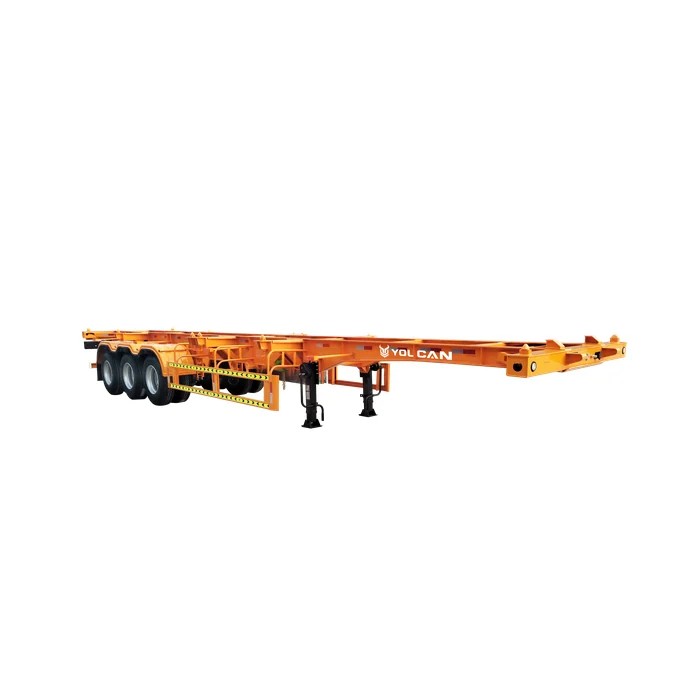
A direct manufacturer relationship can reduce the distance between the operating requirement and the production decision. The buyer can discuss the route, cargo, structure, running gear, accessories, inspection, and documents with people who understand how the trailer is built.
| Buying factor | Direct manufacturer | Buyer question |
|---|---|---|
| Technical communication | Closer access to engineering and production information | Who confirms the drawing and answers technical questions? |
| Customization | More practical control over structure and options | Which changes are standard, and which require new engineering? |
| Price transparency | Fewer commercial layers may make scope easier to review | What is included, excluded, and supplied by a third party? |
| Production visibility | Potentially clearer progress and inspection access | Can the buyer receive milestone evidence? |
| Quality responsibility | A clearer link to the production organization | Who owns correction and final release decisions? |
| After-sales support | Shorter path to spare-parts and technical answers | Who handles warranty and service after delivery? |
Why Customization Is Often Easier Direct
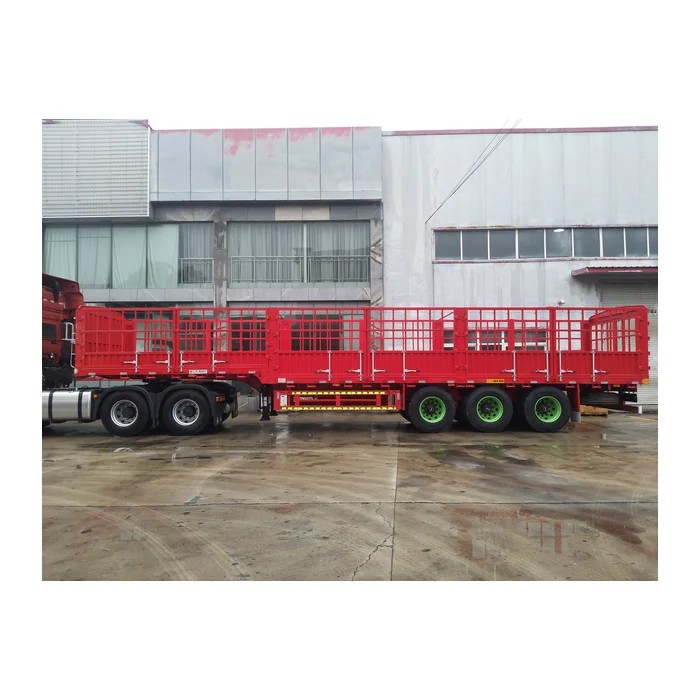
A trader may be able to source many trailer types, but a manufacturer is usually closer to the drawing, welding, assembly, parts selection, and inspection process. That can make it easier to evaluate a non-standard deck, special ramp, different running gear, extra storage, a tanker discharge arrangement, or a destination-market request.
Direct does not mean every request should be accepted. A responsible manufacturer should explain the effect on load path, weight, cost, lead time, service parts, and inspection. The buyer benefits from honest limits as much as from customization capability.
Why Production Visibility Matters
When the buyer can connect the quotation to the factory, it is easier to understand how the trailer moves from approved drawing to fabrication, assembly, finish, inspection, and shipment. This does not replace inspection, but it improves the buyer's ability to ask useful questions and identify changes early.
The Trade-Offs and Risks
Direct sourcing also requires more buyer discipline. The buyer may need to manage more of the technical brief, destination-market checks, shipping coordination, and local service planning. A direct factory with weak communication or unclear documentation can be harder to work with than a well-managed distributor.
| Risk | What to verify before ordering |
|---|---|
| Not the actual manufacturer | Factory address, product scope, production evidence, and contract party |
| Unclear responsibility | Who issues the invoice, controls production, inspects, and provides warranty |
| Cheap but incomplete scope | Included axles, suspension, brakes, tires, accessories, documents, and delivery items |
| Weak destination support | Spare parts, manuals, technical contacts, and response process |
| Over-customization | Drawing approval, change control, lead-time effect, and inspection criteria |
How to Verify a Direct Manufacturer
Ask for the legal company identity, factory location, product range, and the name of the organization that will sign the order.
Request a technical conversation about the actual cargo, route, tractor, capacity, running gear, and destination requirements.
Ask which work is performed in-house and which components or logistics services are provided by partners.
Review a complete quotation, drawing process, quality-control plan, inspection method, and document list.
Confirm warranty contact, spare-parts approach, service response, and how design changes are approved.
Direct buying is relevant across flatbed trailers, lowbed trailers, and bulk cement trailers, but the verification questions should follow the product's real operating risk.
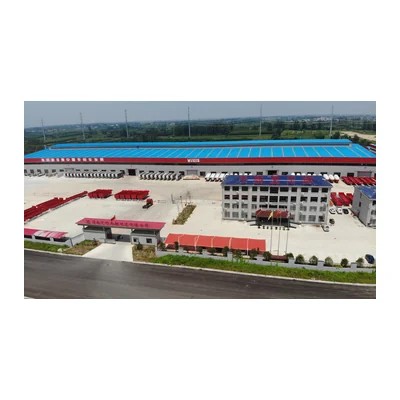
Review the manufacturer's factory overview and quality control information as evidence to discuss, then confirm the details in the order documents.
Engineering Note: The value of direct sourcing is not simply a lower quotation. It is a clearer line from the buyer's operating need to the people who design, build, inspect, and support the trailer.
Manufacturer vs Trader: A Practical Comparison
| Question | Direct manufacturer | Trader or distributor |
|---|---|---|
| Who understands the build? | Usually closer to production details | May depend on the upstream factory |
| Who controls customization? | Often closer to engineering decisions | May coordinate changes through another party |
| Who owns the final quality decision? | Should be identifiable in the factory organization | Must be clarified across the supply chain |
| Who supports service? | Can provide a direct technical path if organized well | May provide commercial coordination and local support |
| What must the buyer verify? | Factory capability and export discipline | Upstream factory identity and responsibility chain |
Common Buyer Mistakes
Assuming a website or factory photo proves that the seller manufactures the quoted trailer.
Choosing direct only because the first price is lower.
Failing to ask who signs the contract and who provides the warranty.
Ignoring the supplier's ability to support documents, spare parts, and destination-market questions.
Requesting many custom options without approving a controlled drawing and configuration sheet.
Key Takeaways
Direct buying can improve technical communication and customization control.
Production visibility is useful when it is backed by written quality and inspection steps.
The buyer must verify factory identity, contract responsibility, and included scope.
After-sales, spare parts, and destination documents are part of the direct-buying decision.
The best direct supplier is the one that explains both capability and limits clearly.
FAQ
Is buying directly from a manufacturer always cheaper?
Not always. It may reduce commercial layers, but the right comparison includes engineering, documents, inspection, shipping, warranty, and service scope.
How can I tell whether a company is a real manufacturer?
Ask for the legal company identity, factory location, product range, production evidence, contract party, and a technical discussion tied to your actual application.
Is a trader always a bad choice?
No. A capable trader can add value through local support, product selection, logistics, or communication. The buyer should still understand the responsibility chain.
Can a direct factory handle custom designs?
Often yes, but the supplier should confirm the engineering effect, price, schedule, service needs, and inspection basis before accepting the change.
What should I ask about after-sales support?
Ask who answers technical questions, how spare parts are identified, how warranty claims are handled, and what response process applies after delivery.
What is the biggest risk of direct importing?
Taking on the purchase without verifying the factory, complete scope, destination requirements, and post-delivery support.
Conclusion
Buying directly from a Chinese semi trailer manufacturer can create a stronger technical and commercial connection, but the buyer must use that access intelligently. Verify the factory, document the configuration, define responsibility, and judge the supplier by the whole ownership plan rather than by price alone.