 WhatsApp
 sales@youcantrailer.com
 +8615203709888
Tanzanian Customer Visits Youcan Trailer Factory and Places an On-the-Spot Order for 20 Units
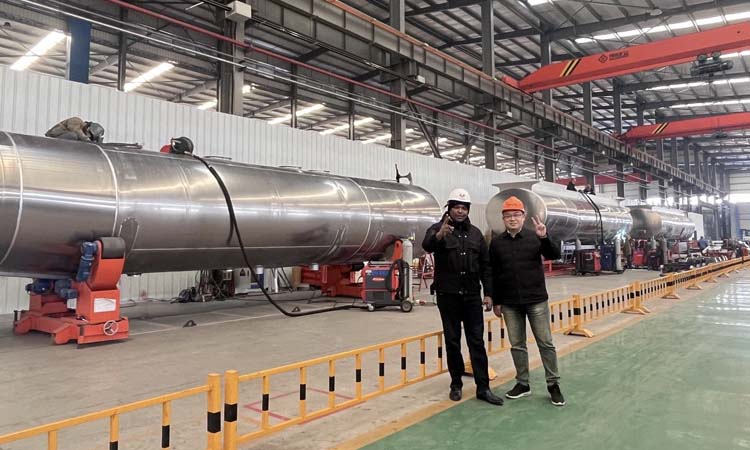
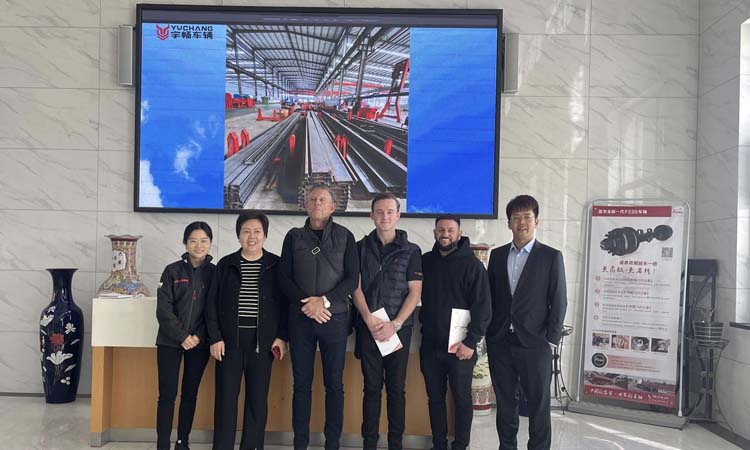
In October 2026, Youcan Trailer welcomed an esteemed delegation of logistics and transport partners from Tanzania to its advanced manufacturing headquarters. Guided by Youcan Trailer’s senior technical and international trade team, the Tanzanian clients undertook a comprehensive, in-depth tour of the factory’s core production lines, including automated cutting and welding workshops, shot-blasting facilities, and rigorous quality inspection zones.
During the site inspection, the delegation closely evaluated the manufacturing precision of Youcan Trailer’s heavy-duty chassis, high-strength structural frames, and advanced axle integration. Impressed by the factory's scale, strict adherence to international quality standards (ISO 9001), and the durable performance of the heavy-duty semi-trailers on display, the Tanzanian client finalized an immediate partnership agreement, placing an on-the-spot order for 20 units of high-performance semi-trailers tailored specifically for rugged East African transport conditions.
What is a semi-trailer?
A semi-trailer is an unpowered commercial freight vehicle engineered to be supported and towed by a motorized tractor unit (prime mover). Unlike a full trailer, which features both front and rear axles supporting its total mass independently, a semi-trailer does not possess a front axle assembly. Instead, its forward section rests directly upon the tractor unit’s rear fifth wheel coupling platform.
This articulated design efficiently transfers a significant proportion of the semi-trailer’s gross weight onto the driving axles of the prime mover. The remaining payload weight is distributed across the semi-trailer’s own rear multi-axle suspension system (available in 2-axle, 3-axle, 4-axle, or multi-axle configurations depending on cargo demands). By combining the traction, engine power, and braking authority of the tractor with the specialized chassis of the trailer, the semi-trailer configuration achieves exceptional haulage efficiency, optimal load balance, and superior maneuverability across long-haul highways, port corridors, and unpaved mining routes.
How does a semi-trailer work?
The operation of a semi-trailer relies on an integrated network of mechanical, pneumatic, and electrical systems synchronized with the towing vehicle.
Mechanical Coupling & Kingpin Mechanism
The primary structural load transfer is achieved through the kingpin—a heavy-duty forged steel pin fitted beneath the trailer’s upper coupler plate—locking into the fifth wheel mechanism of the tractor. This pivot interface permits articulated turns of up to 90 degrees while maintaining structural rigidity and transferring longitudinal towing forces during acceleration and braking.
Payload Distribution & Mechanical Support
During transport, the total Gross Vehicle Weight (GVW) is shared across three load points: the tractor’s front steering axle, the tractor’s rear drive axle group, and the semi-trailer’s rear axle bogie. When uncoupled for loading or staging, heavy-duty two-speed mechanical landing gear legs are extended manually or hydraulically to support the front of the trailer independently.
Pneumatic Braking System
Semi-trailers utilize dual-line air brake systems connected directly to the tractor’s engine-driven air compressor:
1. Supply Line (Emergency/Red Line): Delivers pressurized air to charge the trailer's air tanks and holds the spring-actuated parking/emergency brakes in the open position during operation.
2. Control Line (Service/Blue Line): Transmits dynamic pneumatic pressure signals from the driver’s brake pedal to relay valves on the trailer, actuating service brake chambers (such as T30/30 dual-diaphragm chambers) to slow the wheels smoothly.
3. Safety & ABS/EBS Integration: In the event of air line rupture or accidental uncoupling, emergency relay valves immediately vent service air pressure, triggering the emergency spring brakes to halt the trailer safely. Integrated Anti-lock Braking Systems (ABS) or Electronic Braking Systems (EBS) prevent wheel lockup on wet or loose surfaces.
Electrical Lighting & Signal Integration
Multi-pin ISO electrical socket harnesses connect the tractor cab's electrical systems to the trailer, powering rear LED light clusters, side marker lamps, turn signals, retro-reflective lighting, and optional telemetry or braking diagnostics equipment.
Types & Specifications
Youcan Trailer manufactures a wide range of semi-trailers built to exact engineering and industrial specifications to accommodate varied commercial cargo demands:
| Semi-Trailer Type | Typical Payload Capacity | Axle Configuration | Frame Material | Primary Applications |
|---|---|---|---|---|
| Flatbed Semi-Trailer | 40,000 kg – 60,000 kg | 2 / 3 / 4 Axles | High-Tensile Q345B Steel | 20ft/40ft ISO Containers, Steel Coils, Bagged Goods, Timber |
| Lowbed Semi-Trailer | 50,000 kg – 100,000 kg+ | 3 / 4 / 5+ Axles (Heavy-Duty) | High-Strength T700 / Q345B | Excavators, Bulldozers, Transformers, Heavy Industrial Equipment |
| Fuel Tanker Trailer | 30,000L – 55,000L | 3 / 4 Axles | Carbon Steel / Stainless / Aluminum | Diesel, Gasoline, Crude Oil, Jet Fuel, Liquid Chemicals |
| Bulk Cement Trailer | 30 m³ – 50 m³ | 3 Axles | Carbon Steel (V-Type / W-Type) | Dry Powder Cargo, Fly Ash, Cement, Lime Powder |
| Tipper / Dump Trailer | 35,000 kg – 70,000 kg | 3 / 4 Axles | Wear-Resistant Steel / NM450 | Aggregates, Mining Ores, Sand, Gravel, Construction Rubble |
| Skeleton / Container Chassis | 30,000 kg – 50,000 kg | 2 / 3 Axles | High-Tensile Structural Steel | Intermodal Container Shipping, Port Logistics & Depot Shuttle |
Technical Specifications Overview
Overall Dimensions: Length: 12,500 mm – 16,000 mm; Width: 2,500 mm – 3,000 mm; Deck Height: 1,000 mm – 1,550 mm (customizable).
Main Beam Dimensions: Beam Height: 480 mm – 520 mm; Top Flange Plate: 14 mm – 20 mm; Bottom Flange Plate: 16 mm – 22 mm; Web Center Plate: 8 mm – 14 mm.
Axle Options & Ratings: FUWA, BPW, SAF, or heavy-duty equivalent 13-ton, 16-ton, or 20-ton capacity axles.
Tire Specifications: Heavy-duty radial steel-belted or tubeless tires (12.00R20, 11.00R20, 12R22.5, 385/65R22.5).
Suspension Systems: Heavy-duty mechanical leaf spring suspension (10-leaf or 13-leaf options), rigid multi-axle bogie suspension, or ride-height adjustable air suspension.
Key Components of a semi-trailer
The structural endurance, load rating, and road safety of a heavy-duty semi-trailer depend on the manufacturing precision and material quality of its core functional components:
Main Beams & Structural Chassis Frame
The chassis represents the core load-bearing skeleton of the trailer, designed to resist longitudinal bending forces and dynamic torsional twisting. High-end chassis are assembled using automated submerged-arc welding to join high-tensile steel flange plates and central web plates into unified I-beams, eliminating internal stress concentrations and structural weak points.
Heavy-Duty Axle Assemblies
Axle assemblies bear the gross vertical weight and transmit acceleration, cornering, and braking forces to the road surface. Premium forged steel axles feature precision-ground spindles, heavy-duty wheel hubs, heat-treated brake drums, and long-life bearing sets engineered to handle severe off-road loads.
Suspension Systems & Equalizers
Suspension units link the axles to the main chassis frame:
Mechanical Leaf-Spring Suspension: Utilizes multi-layer alloy spring leaves and heavy equalizing beams to balance weight evenly across all axles on uneven terrain.
Bogie Suspension: Specifically engineered for extreme heavy-haul mining operations, delivering multi-directional pivot flex and structural toughness under massive tonnage.
Air Suspension: Incorporates pneumatic air springs and leveling valves, offering vibration damping for fragile cargo, reduced tire wear, and customizable deck height regulation.
Forged Kingpin Assembly
Forged from premium chromium-molybdenum alloy steel, the kingpin (available in 2-inch or 3.5-inch sizes) is secured into a reinforced steel bolster plate designed to absorb continuous pulling tension and heavy vertical load transfer without structural metal fatigue.
Mechanical Landing Gear System
Two-speed mechanical landing gear legs (such as JOST or high-capacity equivalents) provide up to 80 tons of static holding capacity and 28 tons of dynamic lifting capacity. Heavy internal gear sets allow operators to raise or lower the trailer platform efficiently under full load conditions.
Pneumatic Brake Actuators & Valves
Key braking components include high-capacity steel or aluminum air reservoirs, emergency relay valves, quick-release valves, and heavy-duty dual-diaphragm spring brake chambers (T30/30). Premium brake linings provide reliable stopping performance under maximum gross weight limits.
Advantage of Youcan Trailer Semi-Trailers
Youcan Trailer engineers its commercial fleet equipment to perform reliably across demanding operational environments in Africa, the Middle East, and South America. Distinctive technical and design advantages include:
High-Strength Q345B/T700 Steel Fabrication: By specifying premium high-tensile structural steel alloys, Youcan trailers optimize the tare-weight-to-payload ratio, enabling maximum legal freight capacity while extending structural service life.
Automated Submerged-Arc & Robotic Welding: All longitudinal beams and cross-members undergo continuous automated submerged-arc welding, producing uniform weld penetration, smooth stress distribution, and resistance to frame cracking under heavy loading.
Reinforced Chassis Architecture: Engineered for corrugated, rutted, and unpaved roads. Frame cross-members, outriggers, and suspension mounting brackets feature heavy reinforcement gussets to prevent frame twisting and stress fractures.
Advanced Surface Preparation & Paint Protection: Every chassis undergoes complete automated shot-blasting to Sa 2.5 surface cleanliness to strip mill scale, rust, and surface impurities. This is immediately followed by two dense applications of anti-corrosive epoxy primer and two coats of polyurethane topcoat, providing resistance against UV exposure, humidity, and atmospheric corrosion.
Custom Engineering Versatility: From specialized axle spacings, kingpin offsets, and custom side-wall height variations to multi-compartment fluid tanker configurations, Youcan Trailer tailors designs precisely to regional highway limits and unique transport tasks.
Applications of Semi-Trailers
Semi-trailers serve as essential assets across global commercial logistics, heavy industry, construction, and agricultural supply chains:
Port Logistics & Intermodal Freight Transport: Flatbed and skeleton semi-trailers handle container drayage between sea ports, inland container depots (ICD), rail terminals, and logistics hubs, securing standard ISO containers via heavy-duty container twistlocks.
Construction & Heavy Infrastructure Logistics: Lowbed and drop-deck semi-trailers transport heavy crawlers, excavators, road pavers, precast concrete structures, and industrial transformers directly to remote construction sites.
Mining & Heavy Commodity Haulage: Heavy-duty tipper dump trailers move bulk iron ore, coal, bauxite, aggregates, granite, and quarry material over harsh mining haul routes.
Energy, Fuel & Chemical Supply Chains: Liquid tanker trailers transport refined diesel, petrol, jet fuel, crude oil, LPG, and industrial liquid chemicals securely from sea terminals and refineries to distribution networks.
Agriculture & Dry Bulk Freight Handling: Pneumatic bulk cement trailers and specialized side-wall trailers carry dry cement powder, fly ash, lime, wheat, grain, and bulk fertilizers without exposure to environmental contamination or weather damage.
How to Choose the Right Semi-Trailer
Selecting the ideal semi-trailer requires careful evaluation of freight characteristics, local road infrastructure, legal load limits, and long-term operating costs. Consider the following steps when sourcing equipment:
Analyze Freight Specifications & Payload Tonnage
Establish the maximum weight, volume, bulk density, and physical dimensions of your typical cargo. Select the matching structural layout (flatbed, lowbed, tanker, dump body) and verify that the chassis configuration matches your loading methods (top, side, rear, or pneumatic discharge).
Determine Optimal Axle & Suspension Configurations
2-Axle / 3-Axle Setup: Well-suited for standard highway logistics, container freight, and long-distance transport under standard regional axle-weight regulations.
4-Axle / Heavy-Duty Bogie Setup: Essential for heavy mining haulage, extra-heavy industrial equipment, or severe off-road travel where spreading weight over more tires prevents frame strain and road damage.
Check Regional Axle Load & Dimension Compliance
Transport regulations vary significantly across international regions regarding maximum legal gross combination weight (GCW), individual axle weight limits (e.g., 10 tons vs. 13 tons per axle), total vehicle length, and turning radiuses. Ensure your trailer’s axle spacing and kingpin offset meet regional transport guidelines.
Evaluate Structural Materials & Component Reliability
Select trailers constructed from certified high-tensile steel (such as Q345B, T700, or wear-resistant NM450 plate) and fitted with recognized international component brands (FUWA or BPW axles, JOST landing gear, WABCO pneumatic valves) to ensure component longevity and ready spare parts availability.
Assess Manufacturer Capabilities & Production Rigor
Partner with manufacturers holding ISO 9001 quality management certifications, modern automated production lines (CNC cutting, automatic submerged welding, climate-controlled paint booths), and a verified global track record of export compliance and customer support.
Why Choose Youcan Trailer?
28+ Years of Manufacturing Expertise: Founded in 1999, Youcan Trailerbrings over 28 years of dedicated engineering research, specialized design experience, and manufacturing excellence to the global semi-trailer industry.
Proven Global Deployment Across 50+ Nations: Youcan Trailer units operate reliably across demanding logistics environments throughout Africa, the Middle East, South America, and Southeast Asia, earning industry recognition for structural endurance and operational safety.
Advanced Production Facilities: Powered by CNC cutting machinery, automated submerged-arc beam welding stations, heavy hydraulic plate presses, shot-blasting halls, and electrostatic painting booths.
Strict ISO 9001 Quality Control: Every unit undergoes exhaustive quality assurance protocols prior to dispatch, including chassis ultrasonic weld inspection, axle alignment checks, high-pressure pneumatic leak trials, tanker hydrostatic tests, and dynamic load testing.
Comprehensive Export & After-Sales Support: Offering custom engineering design, branded livery solutions, optimized export shipping configurations (RORO, Bulk Carrier, or Flat-Rack containers), full international documentation support, and long-term spare parts support.
FAQ
Q1: What is the minimum order quantity (MOQ) for Youcan semi-trailers?
A: Our standard MOQ is 1 unit across most trailer lines. We welcome single-unit orders for fleet operators as well as large fleet orders with custom commercial terms.
Q2: Can Youcan Trailer customize trailer specifications to comply with our country's road regulations?
A: Yes. We customize overall length, deck width, side-wall height, axle spacing, suspension type, tire sizing, tank compartment volumes, and kingpin locations to ensure full compliance with regional transport regulations.
Q3: What is the typical production lead time and international delivery schedule?
A: Standard semi-trailer builds are typically completed within 15 to 25 working days following deposit confirmation. Custom engineering builds or specialized tanker designs are scheduled per contract terms, with transit time dependent on destination sea ports.
Q4: What protective measures are applied to safeguard trailers against marine corrosion during shipping?
A: All trailer chassis undergo automated shot-blasting to Sa 2.5 cleanliness, followed by two dense coats of anti-corrosive epoxy primer and two coats of polyurethane topcoat finish. Ships are arranged via RORO, bulk, or flat-rack, with protective wax coatings applied prior to sea freight.
Q5: What shipping options are available for delivering trailers to global ports?
A: We optimize export shipping based on cost efficiency and client preference, including Roll-on/Roll-off (RORO) vessel delivery, break-bulk cargo shipping, or SKD/CKD containerized flat-rack packaging.