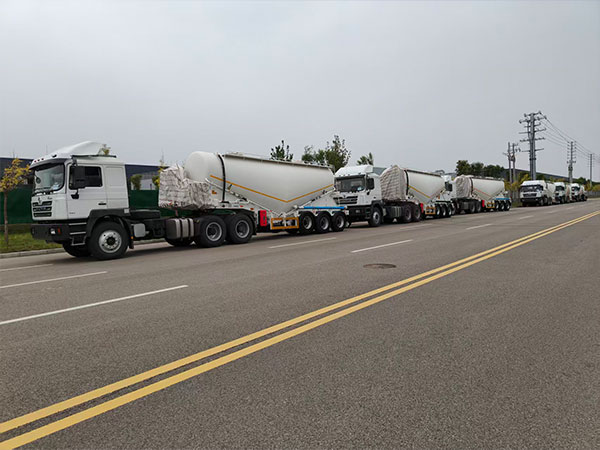
Definition of A Bulk Cement Tanker
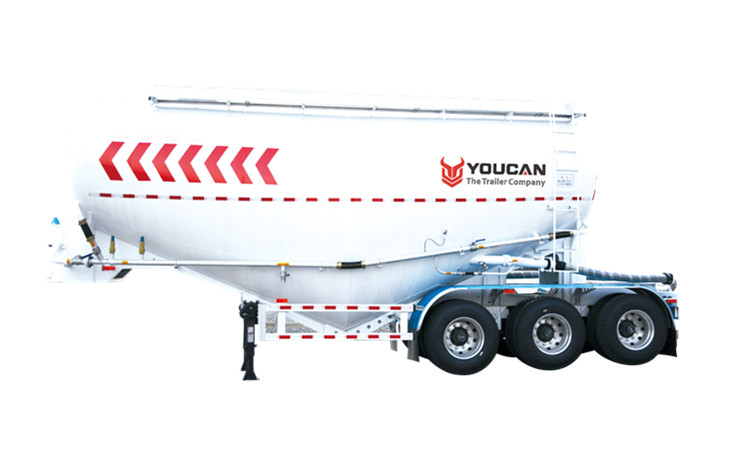
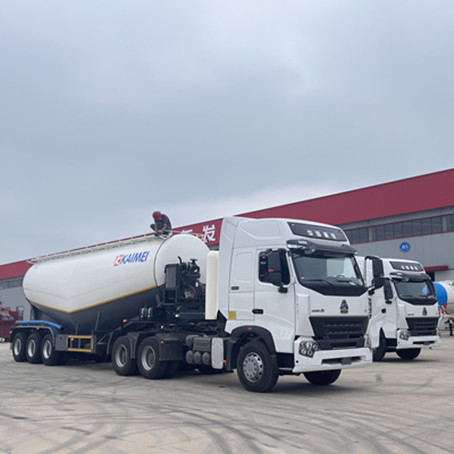
A bulk cement tanker uses compressed air from an on-board compressor, normally driven by the tractor engine through a power take-off. Air enters a sealed chamber at the bottom of the tank and fluidizes the powder so it flows like a liquid. When tank pressure reaches its rated value, the discharge butterfly valve opens and the material moves through the pipe into the customer’s silo.
The tank is made for dry powders with a particle size below 0.1 mm, such as cement, fly ash, lime and mineral powder. A tanker of this type can unload to a height of more than 15 metres and convey material horizontally for more than 5 metres, which covers most cement plant and batching plant silos. The customers are cement plants, depots and large construction projects, where moving loose cement is cheaper than handling bags.
Tank Structure: Three Designs, Three Trade-offs
Tank structure decides how completely the cement leaves the tank, how tall the trailer is and how much it costs to keep running.
| Structure | How It Empties | Strength | Watch Out For |
|---|---|---|---|
| Horizontal | Gentle slope toward the outlet | Low centre of gravity, simple build, easy repair | Slightly more residue than steeper designs |
| Funnel (V-type) | Bottom shaped like funnels, material slides to the outlet | Fast discharge, low residue, good use of volume | Taller tank, higher centre of gravity |
| Lift (tilting) | Hydraulic cylinder raises the front of the tank | Most complete emptying, even with sticky powder | More parts, higher cost, hydraulic upkeep |
For traders, the pattern is straightforward. On rough roads and in hilly regions, stability matters more than the last few percent of residue, so horizontal and low-profile funnel designs are usually the safer sell. On paved routes with frequent unloading, funnel designs pay off in turnaround time. Lift tanks suit special cases where leftover cement is a real cost.
Tell the manufacturer which structure you prefer, or describe your routes and the sales engineer can recommend one for the volume you want.
Steel, Aluminum or Mixed
Material is the biggest lever on both price and payload.
| Option | Typical Advantage | Typical Trade-Off |
|---|---|---|
| Steel | Lower purchase price, repairable in almost any workshop | Heavier, so less cement per trip under the same weight limit |
| Aluminum | Much lighter, so more payload per trip | Higher purchase price, needs skilled repair |
| Steel and Aluminum Mixed | Balance of weight and cost | Needs a clear specification of which parts use which material |
Our current range gives you room to choose. Steel tanks run from 28 m³ up to the 52–71 m³ class, and the full bulk cement trailer range shows every size in between. In aluminum, we offer 33–38 m³ and 38–44 m³ aluminum bulk cement semi-trailers. There are also mixed builds, such as a steel-and-aluminum 45 m³ unit we built for Malaysia.
A practical way to frame the choice for your customers: the stricter the weight limit and the longer the route, the stronger the case for aluminum. If the market is price-driven and trips are short, steel usually wins.
Capacity Is Not Payload
One of the most common mistakes in cement tanker buying is comparing volume figures and ignoring weight. Volume tells you how much the tank holds. Payload is limited by the empty weight of the trailer, the axle ratings and what the destination country allows on the road.
Cement is dense. A tank can be physically full long before the trailer is within its legal limit in some markets, and in others the reverse may be true. That is why the same 40 m³ trailer can be a good fit in one country and a poor one in another.
Before you choose a model, confirm three things:
The legal gross weight and axle load limits of the target country.
The number of axles you will need to stay inside those limits when fully loaded.
The tractor that will pull it, including its fifth wheel and power take-off.
We build around the limits you give us, so the earlier you share them, the better the configuration will be.
Running Gear: Where Trailers Really Differ
Two tanks of the same volume can behave very differently on the road because of what sits underneath. The two projects below show how the specification changes with the job.
For Vietnam, we supplied a 51 CBM cement tanker with a carbon-steel tank, three axles using Fengbao 13-ton axles, a T700 steel main beam and mechanical suspension. That is a robust, simple, easily serviced setup, built to carry a large volume.
For Malaysia, the 4-axle 45 m³ steel and aluminum mixed cement bulker uses FUWA axles, WABCO ABS and air suspension. The extra axle spreads the load, the mixed tank saves weight, and the air suspension and ABS improve ride and braking for longer or faster routes.
The lesson for buyers: choose components for the roads and service network in the target market, not just for the price list. Mechanical suspension is tough and easy to repair. Air suspension is smoother on the cargo and the frame but needs more careful maintenance. ABS adds braking safety and is increasingly requested.
Matching the Trailer to the Market
Exact rules differ by country, so always confirm local regulations. The conditions below, however, shape specifications across the regions we export to.
Middle East. Heat, sand and dust affect paint, tyres, seals and air filters. Buyers often ask for strong surface treatment and good sealing, and for designs that discharge quickly to cut waiting time at plants.
Africa. Long distances, rough or unpaved sections and limited workshop access favour robust frames, simple mechanical suspension and widely available axle and tyre sizes. Easy repair counts for more than fine features.
South America. Mountain roads and steep gradients put more demand on braking, axle count and stability, so low centre of gravity and good brake specification deserve close attention.
Southeast Asia. Heat and humidity make sealing and moisture protection important, because damp cement forms lumps. Road widths and weight rules vary a lot between countries, which makes axle and volume choices more specific.
In every case, the best quotation starts from the route, the climate and the weight rules, not from a generic model name.
Before You Request a Quotation
A clear brief saves rounds of emails and avoids a wrong offer. Send these details:
The material you will carry (cement, fly ash, lime or other) and any moisture issues.
The tank volume you want, or the payload target in tonnes.
The target country, with legal weight and axle limits if you have them.
Tractor details: make, fifth wheel height, engine power and whether a power take-off is available.
Preferred tank material: steel, aluminum or mixed.
Preferred axle count, suspension type and braking options such as ABS.
Silo height and connection size at the unloading site.
Shipping method and port.
With those answers, our sales engineers can propose a configuration and a drawing for your approval before production starts.
What to Check Before Shipment
Before a trailer leaves the factory, a buyer or inspection agent should be able to check the following:
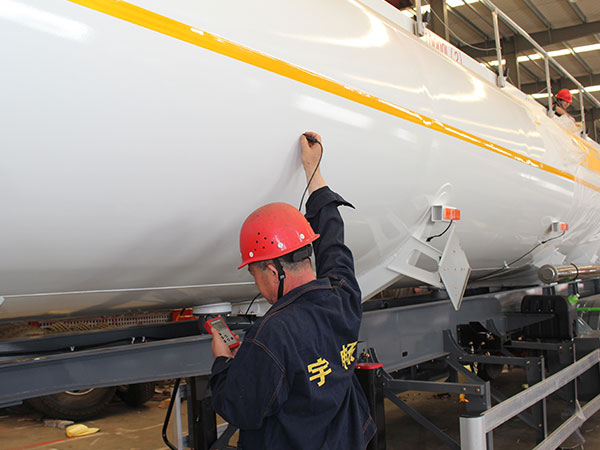
Tank pressure test and absence of leaks at seams, hatches and valves.
Discharge valve operation and the full air line from compressor to outlet.
Hatch seals, which must close fully to keep moisture out.
Main beam, welds and axle mounting.
Tyres, brakes, lighting and air system functions.
Paint coverage and condition, especially on weld seams and edges.
Document set: specification or drawing, inspection records and shipping information as agreed in the contract.
Common Mistakes Buyers Make
Choosing by volume alone and ignoring empty weight.
Buying air suspension and ABS for a market with no service support.
Ignoring the tractor, then finding that the power take-off or fifth wheel does not match.
Skipping the silo check, then discovering the unloading height or pipe connection is wrong.
Choosing aluminum for rough, repair-limited routes without a plan for service.
Leaving moisture protection out of the specification in humid markets.
Frequently Asked Questions
What is the difference between a bulk cement tanker and a standard tank trailer?
A bulk cement tanker is built for dry powder and unloads with compressed air through a fluidizing system. Liquid tank trailers use different tanks, valves and pumps.
Do I need a separate compressor at the unloading site?
Usually not. The tanker carries its own compressor, normally driven by the tractor engine through a power take-off.
Is aluminum always the better choice?
No. Aluminum carries more per trip, but steel is cheaper and easier to repair. The right choice depends on weight limits, route length and service access.
Can the specification be adjusted for my country?
Yes. Volume, number of axles, suspension, braking and other details can be agreed before production. Send your local requirements with your enquiry.
How do I get a quotation?
Send the details in the checklist above, and our sales engineers will reply with a suggested configuration.
Request a Configuration
If you are sourcing bulk cement tankers for a specific market, send us your target country, tank volume, tractor details and preferred materials through the contact page. We will come back with a configuration and a drawing for your review.
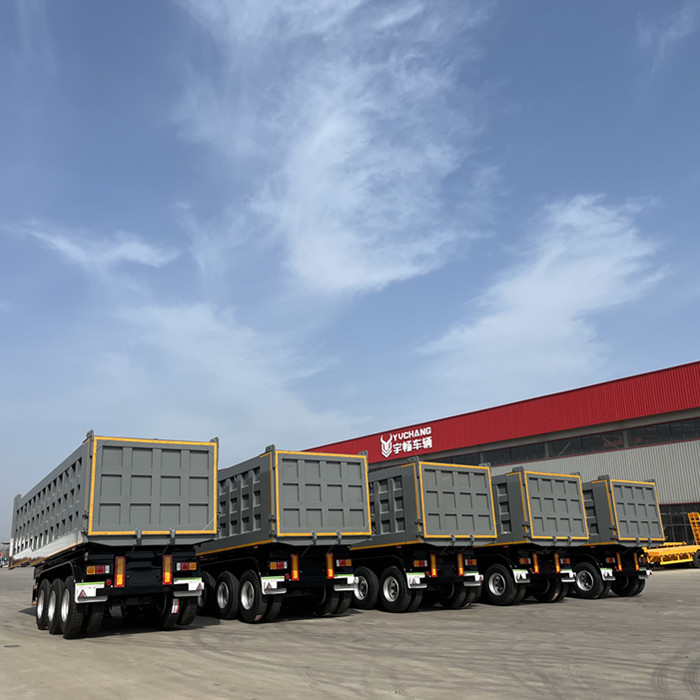
What is a dump semi-trailer
Tipper trailers are mainly used to transport sand, stones, gravel, coal, construction waste.At youcan We have dumper and tipper trailers of various ty...
Read More →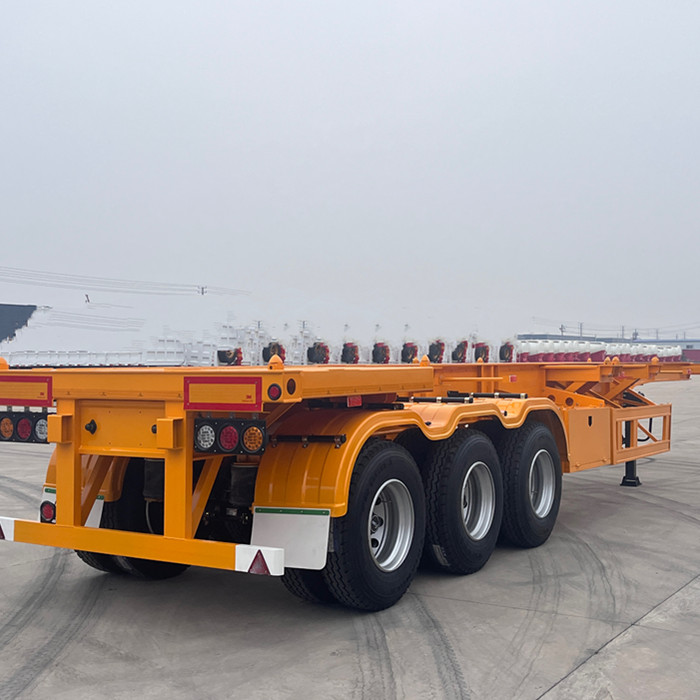
Container chassis foundation
Container chassis guide: types, specs, applications & how to choose a reliable container chassis supplier.
Read More →