




What Is a Stainless Steel Tanker Trailer?
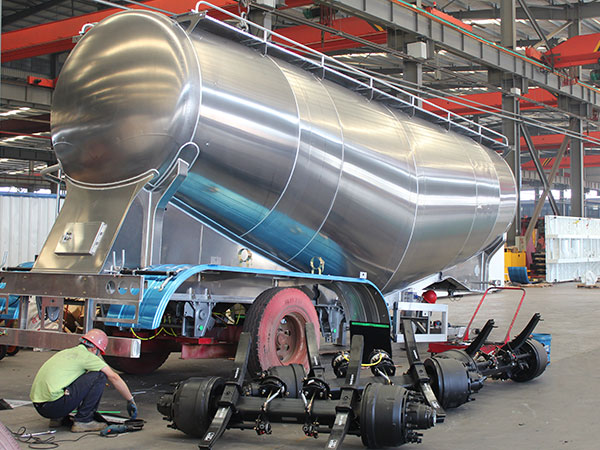
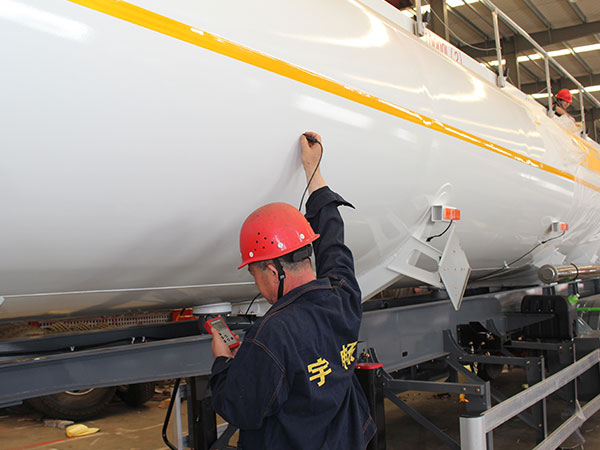
A stainless steel tanker trailer is a specialized semi-trailer designed to transport liquid cargo in a corrosion-resistant metal tank. Depending on its construction and approved specifications, it may be used for food-grade liquids, chemicals, or other compatible materials.
Stainless steel is valued for its durability, corrosion resistance, and cleanable surface. However, it is not completely resistant to staining, chemical attack, or mechanical damage. Road salt, industrial deposits, unsuitable cleaning chemicals, and poor maintenance can all affect the tank's appearance and condition.
Different tanker applications also require different cleaning procedures. A food tanker carrying milk or edible liquids must meet applicable hygiene requirements, while a tanker transporting hazardous chemicals or fuel requires cargo-specific safety controls.
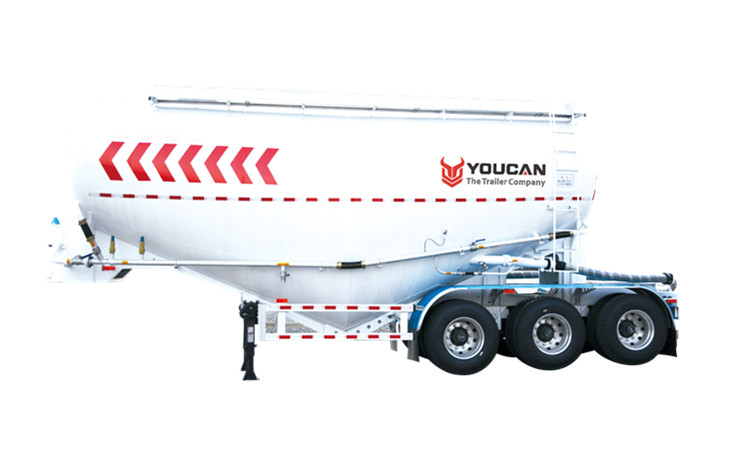
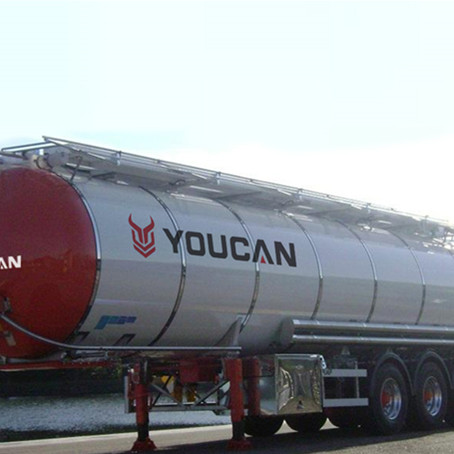
For example, YOUCAN offers a stainless steel food tanker semi-trailer with configurable tank compartments and stainless steel construction. Buyers should verify the exact material grade, surface finish, and cleaning requirements for their intended cargo.
Understanding the difference between exterior cleaning, interior sanitation, and surface polishing is essential before beginning maintenance.
Why Regular Cleaning and Polishing Matter for Stainless Steel Tankers
Regular cleaning helps protect the appearance and condition of a stainless steel tanker trailer. Although stainless steel forms a protective chromium-rich surface layer, contamination and unsuitable operating conditions can interfere with its corrosion resistance.
Road dirt, grease, salt deposits, and chemical residues may accumulate on the tank body during transportation. If these deposits remain for long periods, they can contribute to surface staining or localized corrosion.
Routine cleaning provides several benefits:
Removes road grime, salt, and potentially corrosive deposits.
Makes scratches, leaks, staining, and surface damage easier to identify.
Helps maintain a professional appearance for commercial operations.
Supports the cleanliness of external fittings and accessible components.
Reduces the likelihood of inappropriate contaminants remaining on exposed surfaces.
Polishing serves a different purpose. It can restore surface appearance, reduce minor cosmetic marks, and improve reflectivity when performed correctly. However, polishing does not replace cleaning, structural inspection, or corrosion assessment.
For food tankers, hygienic performance is more important than a mirror-like exterior finish. Internal surfaces, welds, valves, seals, and product-contact fittings must meet the cleaning and inspection requirements applicable to the transported product.
A shiny tanker is not necessarily a clean or safe tanker. Both maintenance activities should be planned according to the vehicle's construction and operating environment.
How to Clean a Stainless Steel Tanker Trailer Step by Step
The following procedure focuses on external stainless steel surfaces. It should not be used as a general method for cleaning the interior of a fuel, chemical, or food tanker.
Step 1: Prepare the Tanker and Work Area
Park the trailer on stable ground in an approved cleaning area. Secure it against movement and follow the company's vehicle isolation procedures.
Check that the exterior surface is cool enough for cleaning. Washing a hot tank in direct sunlight can cause detergents to dry quickly and leave marks.
Before starting, inspect the tank for visible leaks, damaged fittings, loose components, or other conditions requiring professional attention. Do not begin routine washing if there is an uncontrolled leak or suspected hazardous release.
Wear appropriate personal protective equipment based on the cleaning products and site conditions. Use suitable access equipment when working at height; do not climb onto the tank without approved fall-protection arrangements.
Step 2: Rinse Away Loose Dirt and Road Deposits
Begin with a gentle water rinse to remove loose dust, sand, and road debris.
This preliminary rinse reduces the risk of scratching the stainless steel when wiping or brushing. Pay particular attention to areas around mounting brackets, seams, steps, and exposed fittings where dirt may accumulate.
Use a controlled water spray and maintain an appropriate distance from the surface. Avoid directing high-pressure water into electrical connections, seals, vents, or other sensitive components.
Pressure-washing equipment should only be used within the tanker's and component manufacturers' approved limits.
Step 3: Apply a Stainless Steel-Compatible Cleaner
Choose a cleaning product specifically suitable for the stainless steel grade, surface finish, and type of contamination.
For routine exterior dirt, a mild detergent or manufacturer-approved neutral cleaner is often an appropriate starting point.
Apply the diluted solution according to its label instructions using a soft microfiber cloth, non-abrasive sponge, or suitable brush. Work systematically across manageable sections of the tank.
Allow the cleaner to act for the recommended contact time, but do not let it dry on the surface.
Avoid products containing hydrochloric acid, aggressive chloride compounds, or other ingredients that may damage stainless steel. Strong acidic or alkaline cleaners should not be used unless the manufacturer has confirmed their suitability for the particular application.
Never mix acidic and alkaline cleaning products or combine cleaners without explicit manufacturer instructions. Incompatible chemicals may react dangerously.
Step 4: Clean Along the Surface Finish
If the tank has a brushed or directional finish, wipe along the visible grain rather than across it.
Use light, consistent pressure to remove remaining dirt and stains. Avoid ordinary steel wool, carbon-steel brushes, and contaminated abrasive pads because they can scratch the surface or introduce iron particles that later produce rust-colored staining.
For stubborn deposits, use a stainless steel-approved cleaning method rather than immediately increasing abrasion.
Different stains may require different treatments. Grease, mineral deposits, and iron contamination should not automatically be treated with the same chemical.
Step 5: Rinse Thoroughly With Clean Water
Rinse all treated surfaces until the cleaning product and loosened contaminants have been removed.
Incomplete rinsing can leave detergent residues, streaks, or deposits that affect the finish.
Pay attention to seams, brackets, corners, and areas where cleaning solution may collect. Keep rinse water away from openings and equipment that are not designed for direct water exposure.
Use water quality appropriate to the surface and operating requirements. Where mineral spotting is a recurring problem, a final rinse with low-mineral water may help reduce visible marks.
Step 6: Dry and Inspect the Tank Surface
Dry the tank with clean microfiber cloths or another approved method. Allowing water to evaporate naturally may leave mineral spots, particularly in areas with hard water.
After drying, inspect the stainless steel for:
Persistent stains or discoloration.
Scratches, dents, and mechanical damage.
Rust-colored deposits or suspected localized corrosion.
Damage around welds and mounting points.
Leaks, deteriorated seals, or damaged external fittings.
If pitting, cracking, corrosion, or structural damage is suspected, stop cosmetic treatment and arrange a qualified inspection.
For broader tanker care, YOUCAN's daily maintenance of fuel tanker article discusses routine vehicle checks. Fuel tanker procedures must still be adapted to the actual vehicle and cargo.
How to Polish a Stainless Steel Tanker Trailer
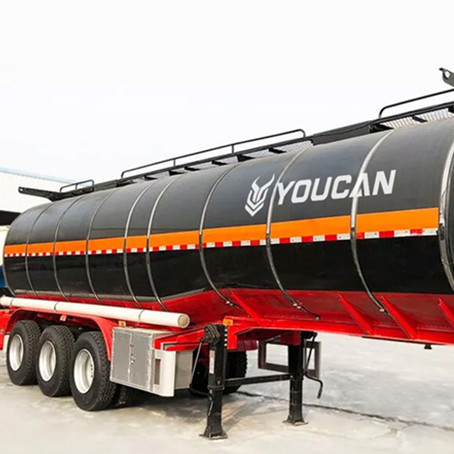
Polishing is generally performed after cleaning and drying. Its purpose is to improve surface appearance, not to remove serious corrosion or repair structural damage.
The correct technique depends on whether the stainless steel has a mirror-polished, brushed, or another specified finish.
Choose the Right Polishing Materials
Select a polish formulated for stainless steel and compatible with the tank's surface finish.
Suitable equipment may include clean microfiber cloths, non-abrasive applicators, and approved polishing pads. Mechanical polishing tools should only be used by trained personnel following the surface manufacturer's recommendations.
Do not assume that aluminum polish is suitable for stainless steel. These materials have different surface characteristics, and polishing compounds are not universally interchangeable.
Household materials such as flour are also not recommended as a professional tanker-polishing method. They provide no reliable basis for controlled surface finishing and may introduce unwanted residues.
Polish a Small Test Area First
Before treating the entire tank, apply the chosen polish to a small, inconspicuous area.
Check for unwanted changes in color, reflectivity, texture, or visible scratch patterns. This is particularly important on brushed stainless steel, where an unsuitable abrasive can permanently alter the appearance.
Follow the polish manufacturer's instructions for application quantity, working time, and removal.
Apply the Polish Evenly
Using a clean applicator, work on one manageable section at a time.
For brushed surfaces, follow the original grain. For mirror-polished surfaces, use only methods appropriate to maintaining that finish.
Avoid excessive pressure, aggressive abrasives, or uncontrolled mechanical buffing. Over-polishing can remove surface material, change the finish, and create uneven reflections.
Keep polishing compounds away from product-contact openings, seals, vents, and other components where residue could cause contamination or operational problems.
Buff and Remove All Residue
After polishing, remove the remaining compound with a separate clean cloth according to the product instructions.
Inspect the surface under consistent lighting to identify streaks or missed areas.
If the finish is still uneven, determine whether the cause is ordinary residue, staining, scratching, or actual corrosion. Repeated polishing is not always the correct solution.
For deep scratches, damaged weld areas, or suspected corrosion, consult a qualified stainless steel finishing specialist.
Cleaning vs. Polishing: Key Differences
| Maintenance Task | Main Purpose | Recommended Approach |
|---|---|---|
| Routine cleaning | Remove dirt, salt, and surface deposits | Mild compatible cleaner, soft cloth, thorough rinsing |
| Stain removal | Address specific deposits or discoloration | Identify the stain and use an approved treatment |
| Cosmetic polishing | Improve appearance and surface consistency | Stainless steel-compatible polish and controlled technique |
| Corrosion treatment | Assess and correct damaged metal surfaces | Qualified inspection and approved repair procedures |
Polishing should be performed only when necessary. A well-maintained stainless steel surface does not require aggressive polishing after every trip.
Common Mistakes to Avoid When Cleaning Stainless Steel Tankers
Some cleaning practices can damage stainless steel or create unnecessary safety risks.
Mixing Incompatible Cleaning Chemicals
Combining acidic, alkaline, or chlorine-containing cleaning products can produce hazardous reactions. Always use chemicals individually and according to their safety documentation.
Rinse appropriately between different approved treatments where required.
Using Abrasive or Contaminated Tools
Carbon-steel brushes, ordinary steel wool, and harsh abrasive pads can damage the finish or transfer iron particles onto stainless steel.
Use dedicated, clean tools suitable for stainless steel. Store them separately from equipment used on ordinary carbon steel.
Allowing Cleaning Products to Dry
Cleaning chemicals left on the surface may cause streaking, discoloration, or other damage.
Work in smaller sections and rinse within the product's recommended contact time.
Using Excessive Water Pressure
High-pressure washing may damage seals, electrical components, protective finishes, or sensitive fittings if applied incorrectly.
Follow the equipment manufacturer's restrictions instead of relying on a universal nozzle distance or pressure setting.
Treating All Tanker Interiors the Same Way
Interior cleaning is not simply an extension of exterior washing.
Food tankers may require validated cleaning and sanitation procedures. Chemical tankers require compatibility assessments and appropriate handling of hazardous residues. Fuel tankers can contain flammable vapors even when they appear empty.
Do not enter a tanker interior without the required confined-space procedures, atmospheric testing, isolation, rescue arrangements, and authorization. Tank entry and hazardous-cargo cleaning should be handled by appropriately trained personnel or specialist facilities.
Ignoring the Original Surface Finish
A polishing method that improves a mirror finish may damage a brushed finish.
Before using abrasive products or mechanical tools, confirm the original finish and the manufacturer's recommended maintenance method.
Stainless Steel Tanker Maintenance Tips and YOUCAN Trailer Solutions
Cleaning and polishing are only part of effective tanker maintenance. The complete vehicle also requires regular inspections and preventive servicing.
Establish a Practical Maintenance Schedule
The cleaning frequency should reflect operating conditions rather than a fixed universal interval.
A tanker operating in coastal areas or on salted roads may need more frequent exterior rinsing than one working in a dry environment. Chemical exposure, frequent loading operations, and heavy road contamination may also affect maintenance needs.
Operators should inspect the tank after unusual exposure or visible contamination instead of waiting for the next scheduled wash.
Inspect Components Beyond the Tank Surface
During routine maintenance, check the condition of external valves, hoses, manhole assemblies, gaskets, fittings, and accessible welds.
The trailer's running gear also requires attention, including axles, suspension, brakes, tires, landing gear, and electrical connections.
Follow the maintenance schedule specified for the actual trailer configuration. Cosmetic cleaning cannot compensate for worn mechanical components or damaged pressure-related equipment.
Match Tank Construction to the Intended Cargo
The choice of stainless steel grade and tank construction affects long-term performance.
Common stainless steel grades used in tanker manufacturing include 304 and 316L, but neither is suitable for every chemical, temperature, or operating environment.
Buyers should assess cargo compatibility, corrosion exposure, surface finishing, cleaning requirements, and relevant regulations before selecting a tanker.
YOUCAN's tank trailer guide provides additional background on choosing tank trailer configurations for different transport requirements.
Consider Manufacturing Quality and Cleanability
A tanker that is easier to inspect and clean can support more efficient maintenance.
Buyers should examine weld finishing, accessible fittings, drainage arrangements, sealing details, and the specified internal surface condition. For food applications, these details may be especially important to hygiene and cleaning validation.
YOUCAN describes its production inspection approach on its quality control page, including material, dimensional, welding, and final assembly checks.
These general inspections should not be confused with cargo-specific hygiene certification or approval for hazardous substances. Such requirements must be verified separately for the intended tanker model.
Consult YOUCAN About Tanker Specifications
YOUCAN Trailer supplies different tanker and semi-trailer solutions for international buyers.
When requesting a stainless steel tanker, provide the intended cargo, required capacity, destination market, preferred stainless steel grade, cleaning expectations, and applicable technical standards.
These details help determine whether a proposed configuration is appropriate and what documentation or additional verification is required.
To discuss product options, maintenance considerations, and project requirements, contact YOUCAN Trailer for further information.
FAQs About Cleaning and Polishing Stainless Steel Tankers
How Often Should a Stainless Steel Tanker Be Cleaned?
Exterior cleaning frequency depends on road conditions, weather, cargo-related exposure, and visible contamination. Salt and chemical deposits should be addressed promptly using an approved cleaning method.
Interior cleaning follows a separate cargo-specific procedure and may be required between loads, after particular products, or according to applicable hygiene and safety rules.
What Is the Best Cleaner for a Stainless Steel Tanker?
For routine exterior cleaning, a mild detergent or compatible neutral cleaner is often a suitable option.
The correct product depends on the stainless steel grade, surface finish, and contamination involved. Always confirm compatibility and follow the cleaning product's instructions.
Can You Use a Pressure Washer on a Stainless Steel Tanker?
Pressure washing may be appropriate for certain exterior surfaces if the tanker and component manufacturers permit it.
Use approved settings and avoid directing high-pressure water at seals, electrical connections, vents, or sensitive fittings. Never use pressure washing as an improvised method for cleaning hazardous tanker interiors.
How Do You Restore the Shine of a Stainless Steel Tanker?
Start by thoroughly cleaning and drying the surface. If the finish remains dull, use a stainless steel-compatible polish suitable for its original surface texture.
Test a small area first and avoid aggressive abrasion. Deep scratches or corrosion may require professional assessment rather than routine polishing.
Is Polishing Necessary for Every Stainless Steel Tanker?
No. Polishing is mainly used to maintain or restore a specified appearance.
Routine cleaning and inspection are generally more important than frequent cosmetic polishing. Food-contact surfaces, hazardous-cargo tanks, and specialized finishes may require approved maintenance procedures that differ from ordinary exterior polishing.

How to build a flatbed trailer
A flatbed semi-trailer is made through a series of design, manufacturing and assembly processes.
Read More →
Tips For Safely Strap Down Loads On A Flatbed Trailer
Tipper trailers are constructed with the versatility to haul anything from sand and aggregate to scrap to building materials, and other goods.
Read More →